Skip to content

Thinking about a career in HVAC? It’s a solid path with stable work, good pay, and plenty of opportunities to grow. But before you jump in, it’s important to understand what the job really involves. HVAC technicians do more than just fix air conditioners—they troubleshoot complex systems, work with refrigerants and pipes, and make sure homes and businesses stay comfortable year-round.
In this post, we’ll walk through the different training and education options available, from trade schools to apprenticeships, so you can find the best fit for your learning style. We’ll also cover the certifications and licenses you’ll need to start working, plus tips for getting hands-on experience that will make you stand out to employers.
Whether you’re just starting out or considering a career change, this guide will help you navigate the process, gain confidence, and take the first step toward a fulfilling career as an HVAC technician.
Understanding the Role of an HVAC Technician

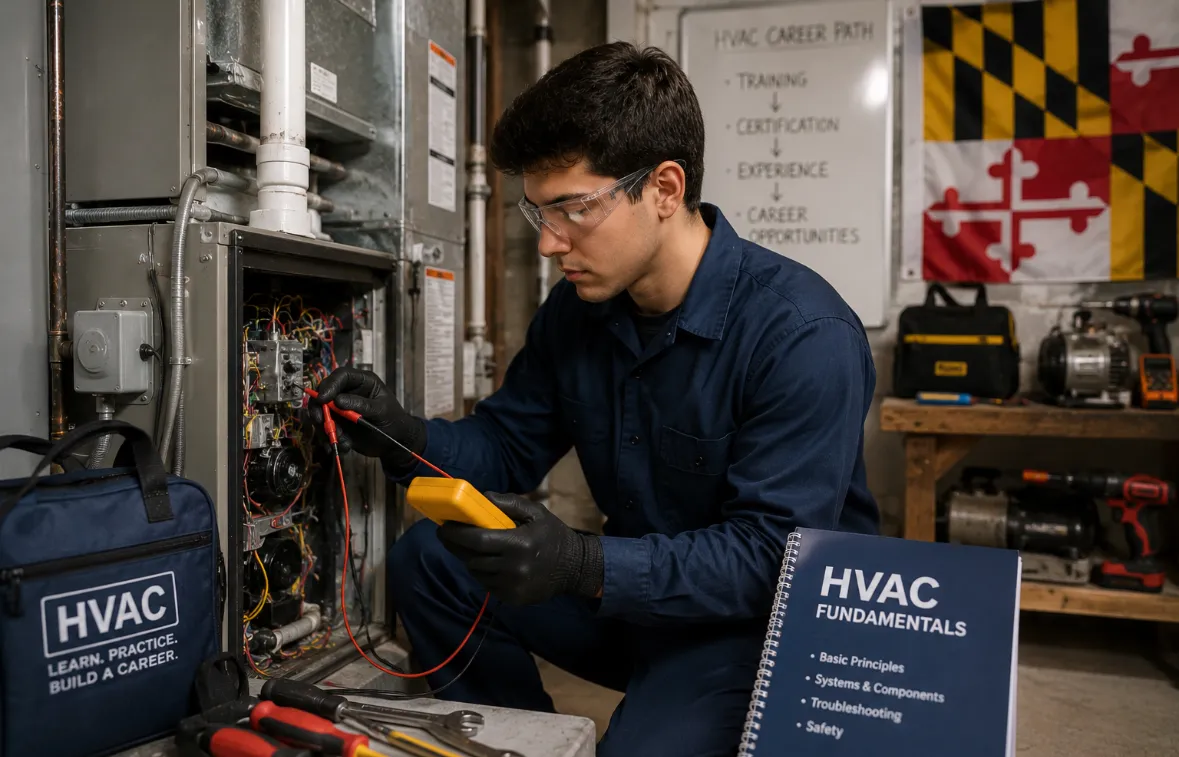
HVAC technicians are essential in maintaining heating, ventilation, and air conditioning systems. Key responsibilities include installing and repairing equipment like heat pumps and ensuring optimal performance.
Success in this field requires a blend of technical skills, knowledge gained through training programs, and often a certification or associate degree. Understanding these roles and skills is vital for anyone considering how long it takes to be an HVAC contractor.
Key Responsibilities of HVAC Technicians
HVAC technicians carry out important tasks that make sure heating, ventilation, and air conditioning systems run smoothly. Their responsibilities involve installing and repairing various equipment, understanding applicable laws and regulations, and maintaining safety standards.
With the right knowledge and vocational education, these skilled professionals can enjoy competitive salaries while playing a vital role in creating comfortable indoor environments.
Essential Skills for Success in HVAC
To thrive as HVAC professionals, mastering key skills is important. Understanding physics plays a crucial role in HVAC training, as it helps technicians grasp how heat transfer, fluid dynamics, and electrical systems function.
The Bureau of Labor Statistics highlights that hands-on training and passing the certification exam can significantly boost career prospects, enabling aspiring technicians to work effectively in diverse environments and meet industry standards.
An HVAC technician shapes comfort in every season. Now, it’s time to explore how one can learn the skills to take on this vital role.
Education and Training Options for HVAC Technicians

HVAC training programs offer diverse options for aspiring tradespeople. This section will explore the curriculum, including Section 608 requirements, and compare online versus in-person learning experiences.
It will also discuss the duration of training programs and financial considerations, including funding options, to help individuals assess whether this career path suits them.
Overview of HVAC Training Programs
HVAC training programs equip individuals with the skills to become successful HVAC technicians. These courses often cover essential topics such as local regulations, the functioning of furnaces, and electrical systems to prepare students for real-world challenges.
Alongside classroom learning, hands-on experience like welding and understanding the HVAC contractor’s responsibilities are emphasized, ensuring that HVAC professionals are job-ready upon completion.
Online vs. In-Person Learning Experiences
When considering how to become an HVAC technician, the choice between online and in-person learning experiences can greatly impact one’s training journey.
Online programs offer flexibility and accessibility, allowing students to manage their schedules while learning critical aspects like safety standards and liability insurance, often at a lower fee. However, in-person training provides hands-on experience, essential for mastering skills like metal welding, which is a crucial aspect of HVAC work, ultimately preparing individuals to meet the demands of becoming a licensed HVAC contractor.
Duration of Training Programs
The duration of HVAC training programs can vary widely, generally ranging from a few months to two years, depending on the depth of education sought. Aspiring technicians may complete certificate programs in under a year or pursue degree options that integrate critical subjects like mathematics, energy efficiency, and ventilation systems.
This flexibility allows individuals to choose a path that aligns with their career goals and the licensing requirements in their area, ensuring they are well-prepared for a rewarding career in HVAC.
Financial Considerations and Funding Options
Financial considerations play an important role in deciding to pursue HVAC technician training. Vocational schools often offer various funding options, including scholarships and financial aid, allowing prospective students to explore careers in the HVAC business without overwhelming debt.
When asking, “How do I become an HVAC technician?” it’s important to factor in costs associated with necessary equipment like a pump and boiler, as these expenses can impact the overall investment in professional development.
Education lays the foundation for a successful career in HVAC. However, understanding the certification and licensing requirements will pave the way to professional recognition and opportunity.
Certification and Licensing Requirements for HVAC Technicians

Certification plays a vital role in shaping an HVAC professional’s career, ensuring competence and adherence to standards for consumer protection. The following sections will outline the steps to obtain certification, including essential statistics and insights relevant to aspiring technicians.
Additionally, state-specific licensing requirements, especially in bustling areas like New York City and Washington DC, will be discussed to provide clarity on the frequently raised question, “How do you become HVAC certified?”
Importance of Certification in HVAC Careers
Obtaining certification is a pivotal step for anyone interested in a career in HVAC. This credential not only validates the skills learned through training but also ensures compliance with industry standards, which is integral for success and client trust.
Many employers prioritize candidates with certifications, making it a key factor for those with a high school diploma seeking a stable career. This is especially true in fields like HVAC, nursing, and other technical professions where specialized skills are increasingly valued.
Steps to Obtain Certification
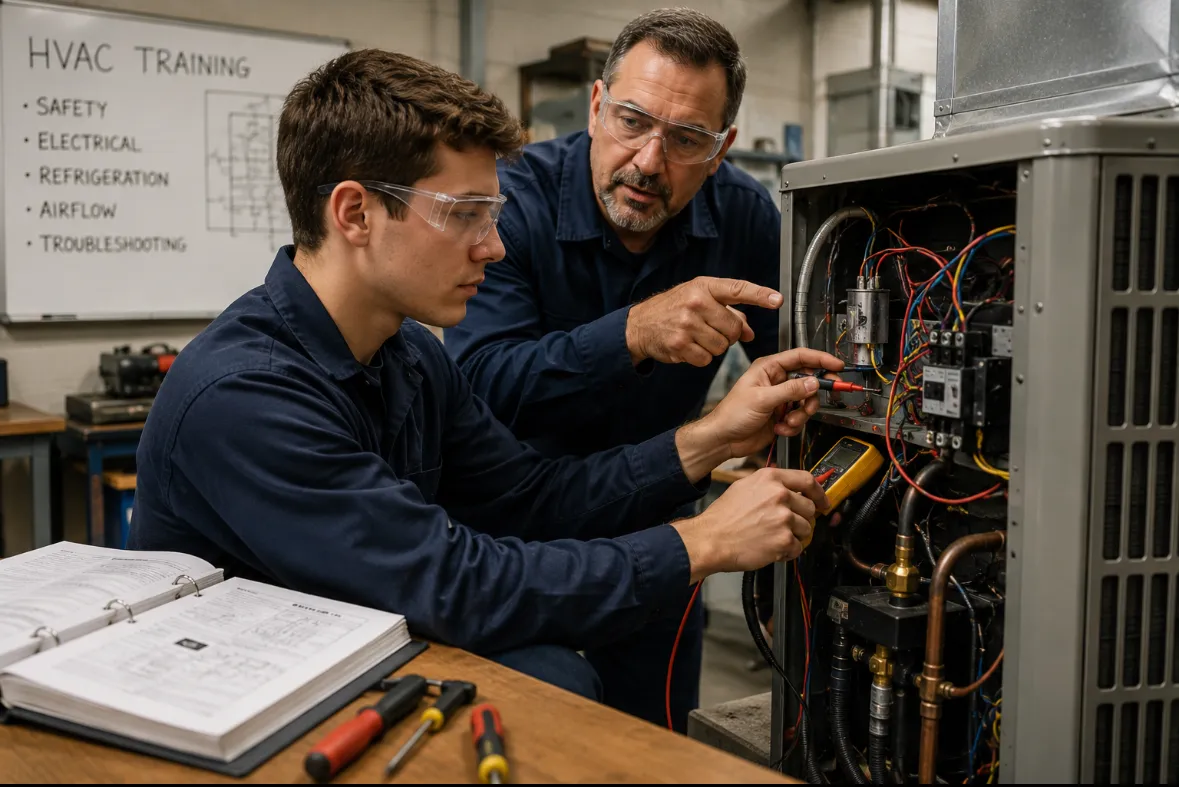
To become certified as an HVAC technician, aspiring techs often follow a clear pathway that begins with obtaining a diploma from an accredited program. This educational foundation is typically paired with an apprenticeship, providing hands-on experience under the supervision of seasoned professionals.
State-Specific Licensing Requirements
State-specific licensing requirements for HVAC technicians vary across the country, so it’s essential to understand the regulations in your area. In Maryland, HVAC professionals must be licensed by the Maryland Board of HVACR (Heating, Ventilation, Air Conditioning, and Refrigeration Contractors).
Maryland offers four levels of HVAC licensing:
- Apprentice – Entry-level, allowing individuals to work under supervision while gaining experience.
- Journeyman – Requires 3 years of experience and passing the journeyman exam.
- Master Restricted – Specializes in specific areas like heating or cooling systems.
- Master Unlimited – The highest level, requiring 5 years of experience and allowing full HVACR services.
Additionally, if you’re working with refrigerants, EPA Section 608 Certification is required. By obtaining the right licenses and certifications, HVAC technicians in Maryland can increase job opportunities, qualify for higher wages, and legally handle tasks like installing new HVAC systems in homes or troubleshooting heat pump issues in businesses.
Gaining Practical Experience in HVAC

Apprenticeships play a pivotal role in shaping the career of a licensed HVAC technician, offering hands-on experience with equipment such as duct systems and hydronics. Job shadowing and internship opportunities allow trainees to gain real-world insights, enhancing productivity and skill development.
Building a strong resume through practical experience is essential, demonstrating commitment and readiness for employment in the HVAC field.
Importance of Apprenticeships
Apprenticeships serve as a vital stepping stone for those pursuing a career in HVAC work. Through these programs, individuals gain the hands-on experience required to understand the complexities of heating and cooling systems.
By actively engaging with seasoned professionals, aspiring technicians not only learn about equipment but also discover firsthand how these skills translate to practical scenarios, such as performing installations or addressing common HVAC issues.
Job Shadowing and Internship Opportunities
Job shadowing and internships offer a fantastic way for aspiring HVAC technicians to gain real-world experience and insights into the industry. Engaging with professionals in the field allows individuals to see the daily tasks involved, from diagnosing equipment issues to performing repairs, giving them a clear picture of what to expect in their careers.
These opportunities not only boost practical skills but also help build valuable connections, ultimately making it easier for trainees to secure job placements after completing their HVAC training programs.
Building Your Resume and Skills Through Experience
Building a strong resume in the HVAC field relies heavily on gaining hands-on experience. Participating in internships or job shadowing opportunities allows aspiring technicians to learn from seasoned professionals while applying their classroom knowledge in real-world settings.
This practical experience not only improves their skill set but also showcases their commitment to prospective employers, making them stand out in the competitive HVAC job market.
Experience in HVAC builds skills and confidence. The next step is finding the right job in a world that needs skilled workers.
Navigating the Job Market as an HVAC Technician

Navigating the job market as an HVAC technician involves several key strategies. Effective job search strategies and resources help individuals identify opportunities while networking within the HVAC industry opens doors to potential employers.
Preparing for interviews in the HVAC field is essential for showcasing skills and readiness. Each of these topics provides valuable insights to guarantee a successful entry into the industry.
Job Search Strategies and Resources
For those entering the HVAC field, effective job search strategies can make a significant difference in landing a position. Utilizing local job boards, networking with industry professionals through events, and joining HVAC associations can open doors to hidden job opportunities.
Furthermore, cultivating a strong online presence on platforms like LinkedIn can help individuals connect with potential employers, showcasing their skills and training to stand out in a competitive job market.
Networking Within the HVAC Industry
Networking within the HVAC industry is vital for individuals seeking to enhance their career prospects. By attending industry events and joining local HVAC associations, aspiring technicians can connect with seasoned professionals who may provide mentorship or job leads.
Building relationships in this way not only opens doors but also allows new HVAC techs to learn about valuable opportunities and trends that can guide their training journey.
Preparing for Interviews in the HVAC Field
Preparing for interviews in the HVAC field requires a mix of technical knowledge and interpersonal skills. Candidates should familiarize themselves with common HVAC systems, maintenance practices, and local regulations, as interviewers often seek specific insights into a candidate’s working knowledge.
Practicing responses to typical interview questions, such as troubleshooting scenarios or discussing past experiences, helps individuals showcase their qualifications and stand out in a competitive job market.

Take the Next Step with Su’Coy CLC’s HVAC Universal Technician Training
Now that you know what it takes to become an HVAC technician, the next step is choosing the right training program.
Su’Coy Community Learning Center (Su’Coy CLC) offers an HVAC Universal Technician Training program that provides practical, hands-on experience while preparing you for industry certifications. Whether you’re new to HVAC or looking to refine your skills, this program is designed to make you job-ready and confident in the field.
What You’ll Gain at Su’Coy CLC
Dive into Real Training
- Jump right into hands-on experience from day one. You’ll work directly with HVAC systems, refrigerant handling, air distribution, and electrical components, ensuring you can tackle real-world scenarios with confidence.
Learn from the Best
- Gain insight from experienced HVAC professionals who break down complex topics like system diagnostics and safety protocols into easy-to-understand lessons. Their mentorship will prepare you for every challenge in the field.
Master Every Skill
- From installations to troubleshooting, this comprehensive curriculum covers residential and commercial HVAC systems, ductwork design, airflow management, and energy efficiency. You’ll walk away as a versatile technician ready for any job.
Boost Your Career
- Su’Coy CLC provides job placement assistance, industry connections, and guidance to help you transition smoothly from training to a thriving HVAC career. With certification prep and real-world training, you’ll be a top candidate in the job market.
Ready to get started?