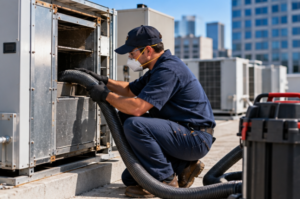
Do I Need Commercial Duct Cleaning Training for Large Buildings?
If you are training to become an HVAC technician, residential duct cleaning can give you a solid foundation, but large commercial buildings introduce challenges you

If you are training to become an HVAC technician, residential duct cleaning can give you a solid foundation, but large commercial buildings introduce challenges you
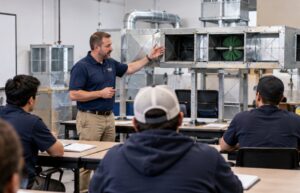
If you are looking at duct cleaning training as a way into the trade, the first thing worth sorting out is what the training actually

If you are working full time and dreaming of a career in HVAC, one worry probably stops you before you start. Can you really complete
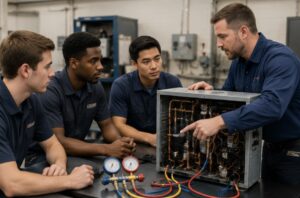
Before enrolling in any trade program, it is reasonable to ask whether the training will actually improve your chances of getting hired. HVAC is a
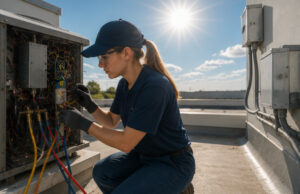
Summer is the busiest season for HVAC technicians across Maryland, Washington, DC, and Northern Virginia. When temperatures climb into the 90s and humidity rises, air
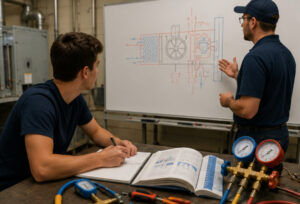
Starting an HVAC career is about more than learning how to repair air conditioners and heating systems. Employers throughout Maryland, Washington, DC, and Northern Virginia
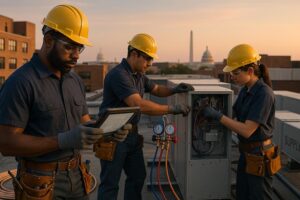
Winter is the perfect time to start HVAC training in Temple Hills. Get hands-on experience and career-ready skills at Sucoy CLC.
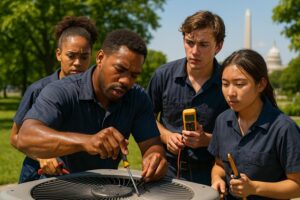
Winter is the perfect time to start HVAC training in Temple Hills. Get hands-on experience and career-ready skills at Sucoy CLC.
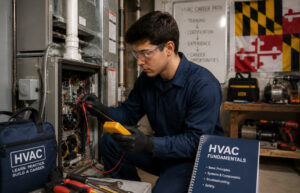
Winter is the perfect time to start HVAC training in Temple Hills. Get hands-on experience and career-ready skills at Sucoy CLC.
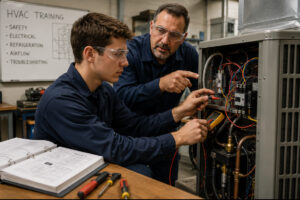
Winter is the perfect time to start HVAC training in Temple Hills. Get hands-on experience and career-ready skills at Sucoy CLC.
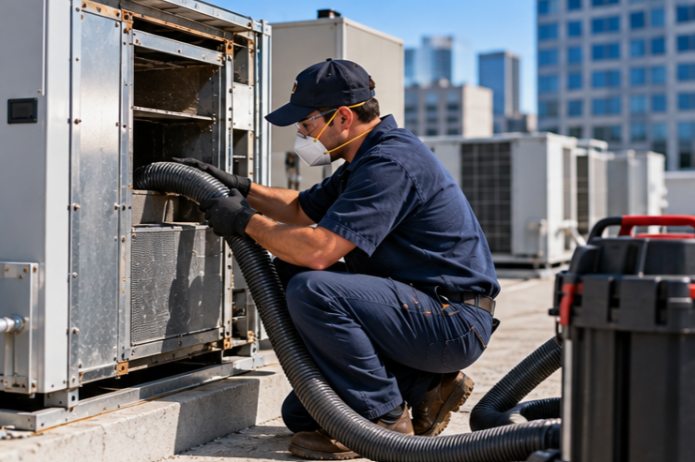
If you are training to become an HVAC technician, residential duct cleaning can give you a solid foundation, but large
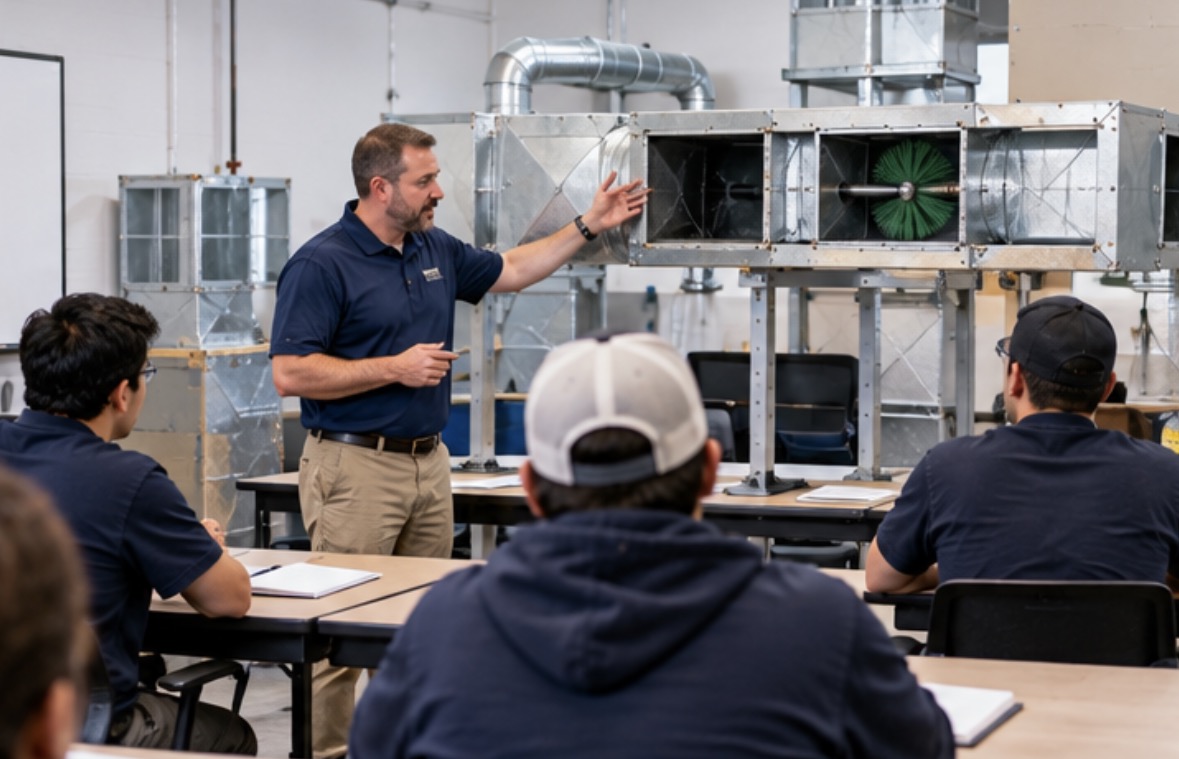
If you are looking at duct cleaning training as a way into the trade, the first thing worth sorting out

If you are working full time and dreaming of a career in HVAC, one worry probably stops you before you
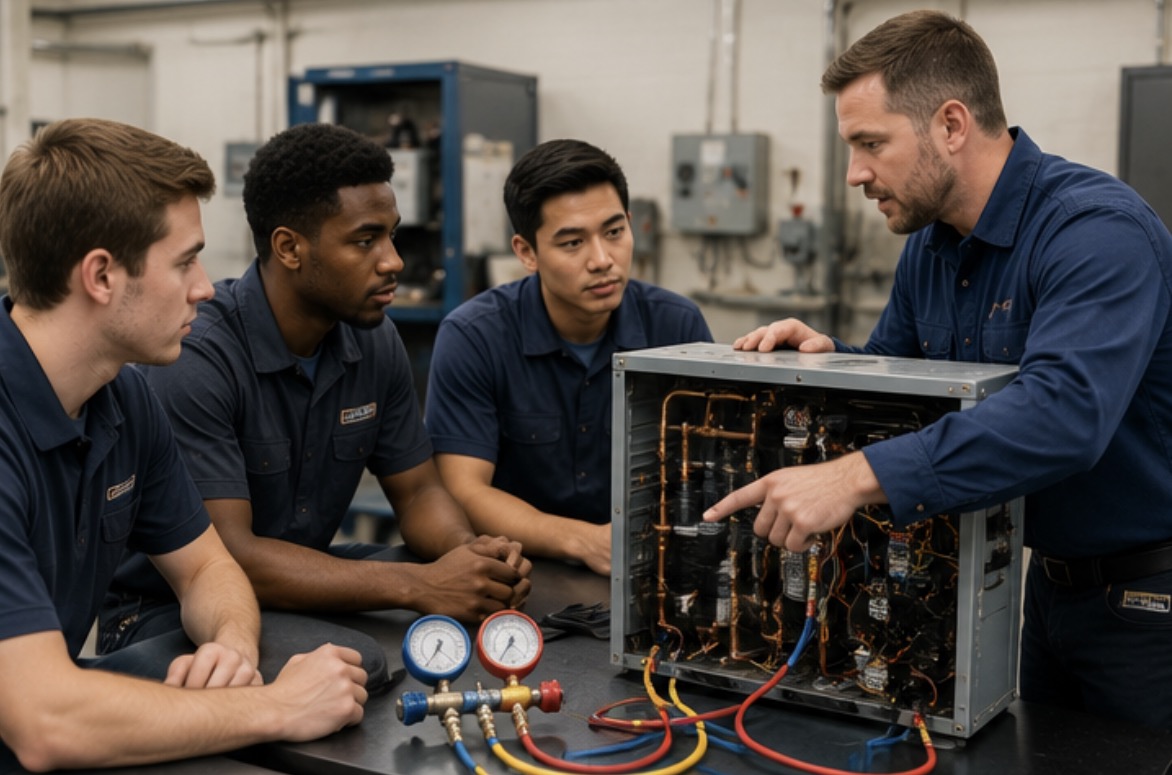
Before enrolling in any trade program, it is reasonable to ask whether the training will actually improve your chances of
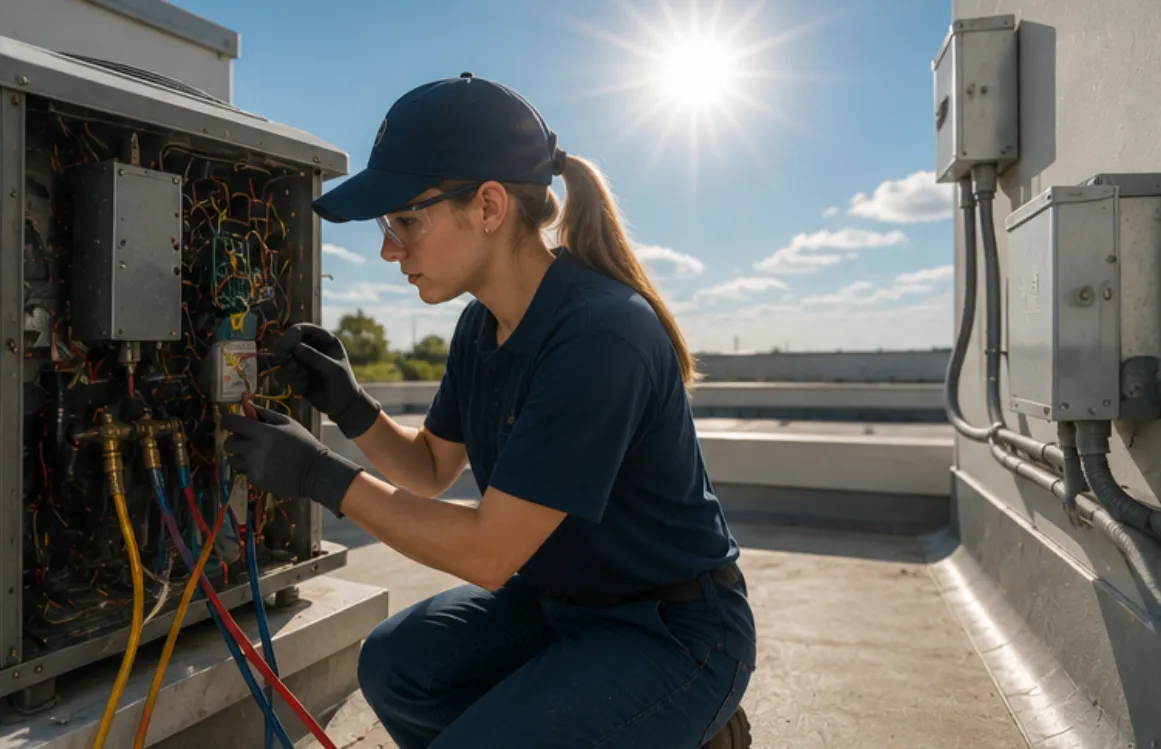
Summer is the busiest season for HVAC technicians across Maryland, Washington, DC, and Northern Virginia. When temperatures climb into the
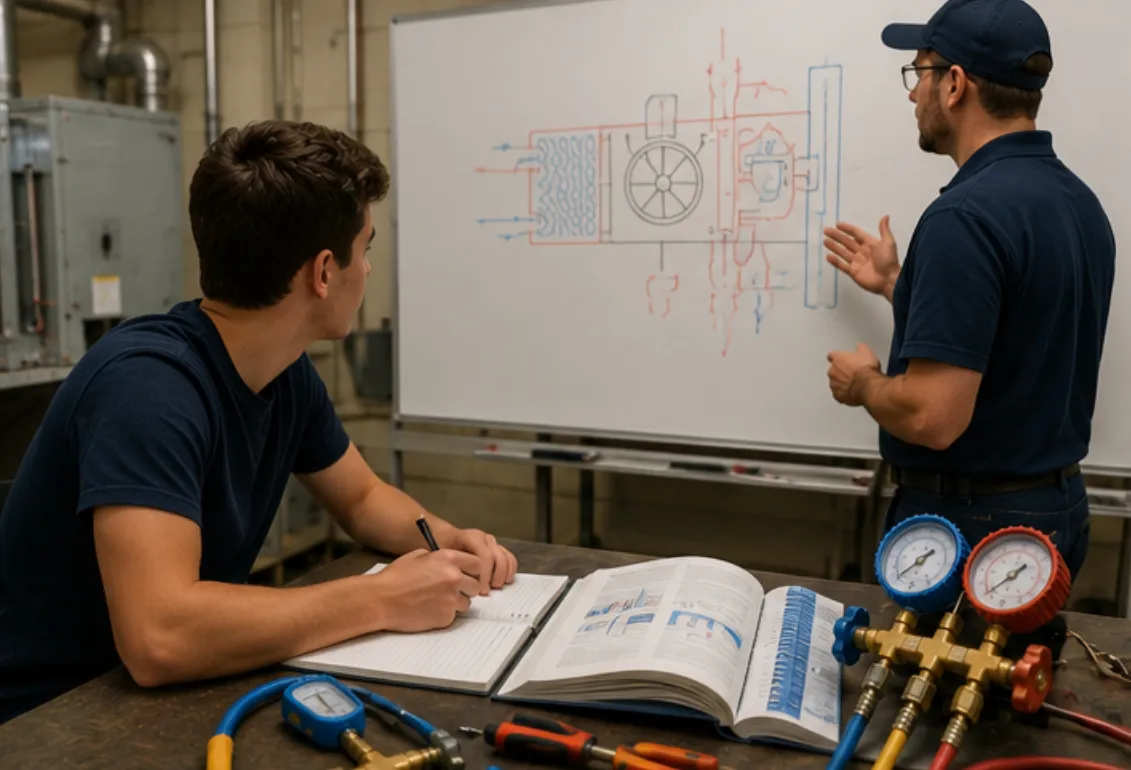
Starting an HVAC career is about more than learning how to repair air conditioners and heating systems. Employers throughout Maryland,
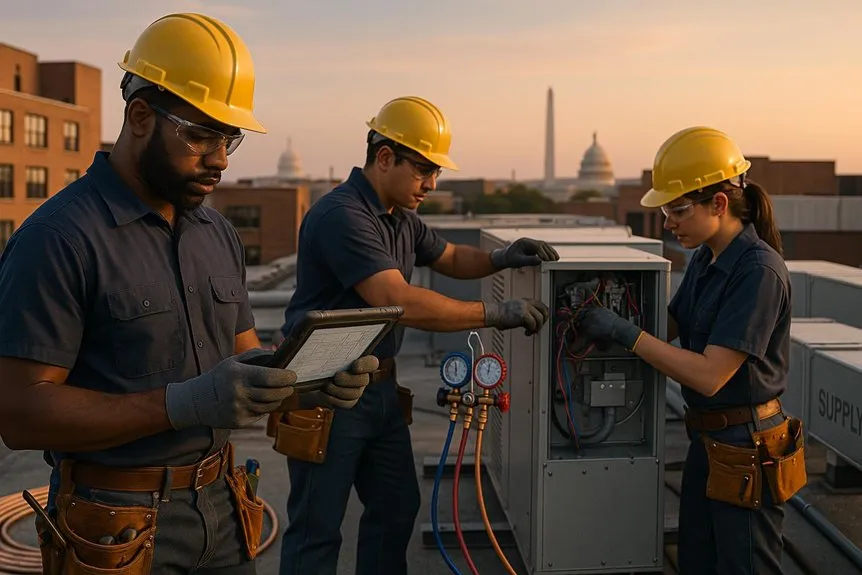
Winter is the perfect time to start HVAC training in Temple Hills. Get hands-on experience and career-ready skills at Sucoy CLC.
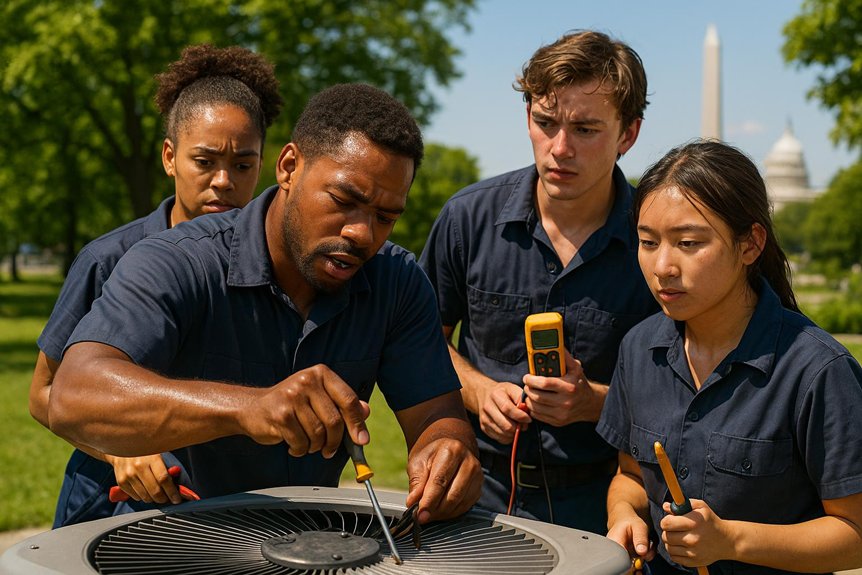
Winter is the perfect time to start HVAC training in Temple Hills. Get hands-on experience and career-ready skills at Sucoy CLC.
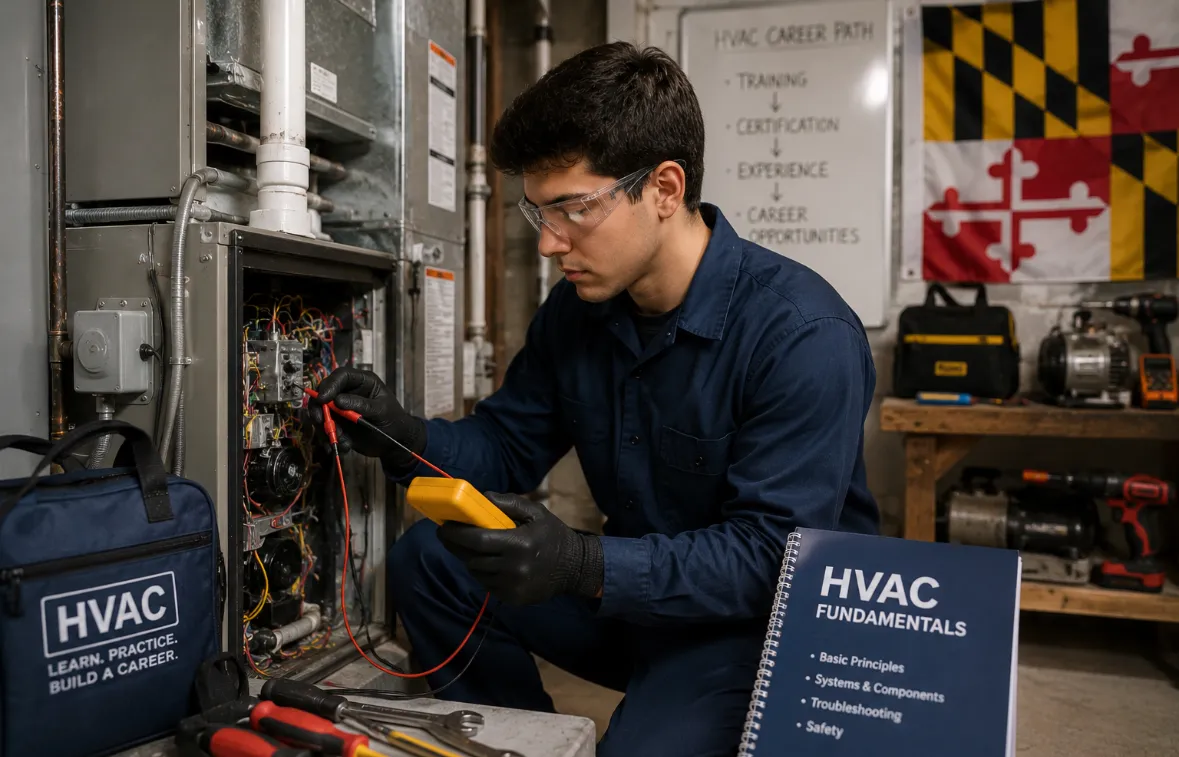
Winter is the perfect time to start HVAC training in Temple Hills. Get hands-on experience and career-ready skills at Sucoy CLC.
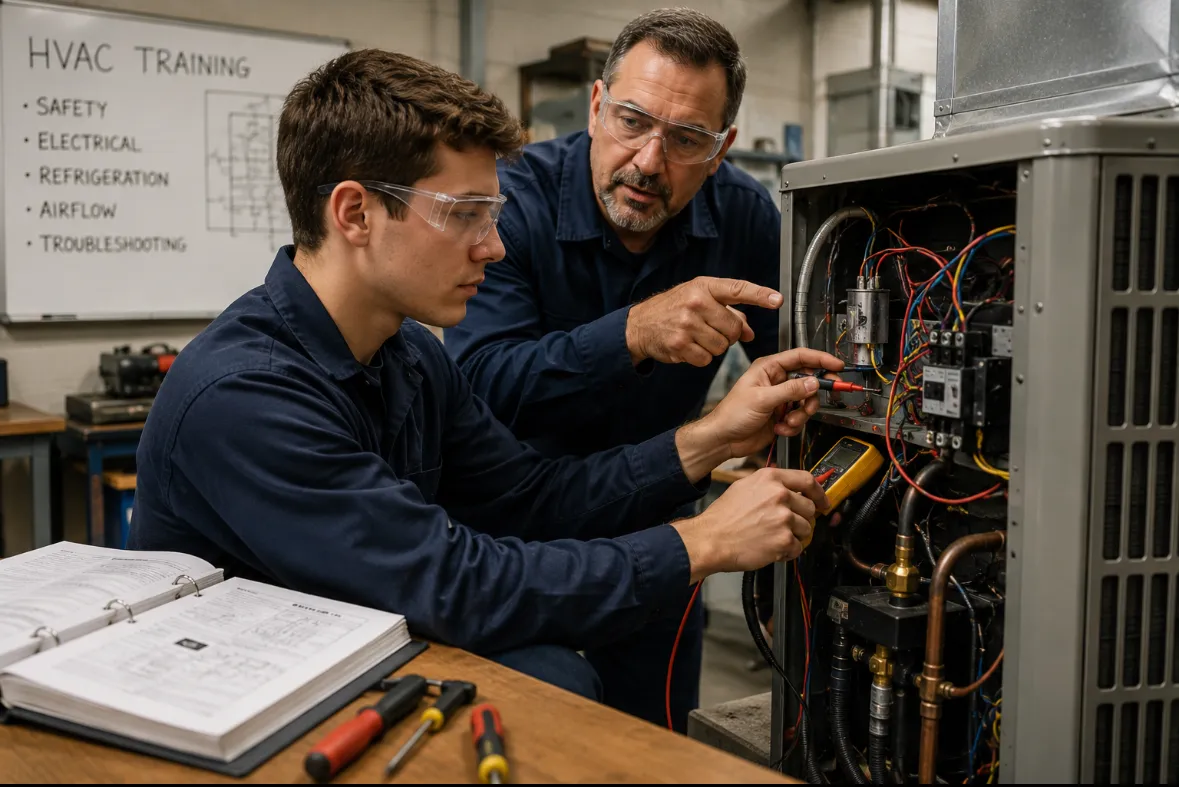
Winter is the perfect time to start HVAC training in Temple Hills. Get hands-on experience and career-ready skills at Sucoy CLC.