Skip to content

If you are planning your future and want a career that offers stability, strong income potential, and real-world skills, HVAC is worth serious consideration. This is not just another job option where you sit behind a screen all day, it is a hands-on career where your work directly impacts people’s comfort and daily life. In 2026, the need for HVAC technicians is growing because homes and businesses rely heavily on cooling, heating, and air quality systems. For students who want to start earning earlier and build a long-term career, HVAC offers a practical and reliable path.
In the United States, especially in areas like Washington, DC and Maryland where seasonal temperatures can become extreme, HVAC systems are essential for daily comfort and indoor safety. This creates continuous demand for skilled technicians who can install, repair, and maintain these systems. Unlike careers heavily affected by changing market trends, HVAC remains stable because homes and businesses rely on heating and cooling systems year after year. If you are willing to learn technical skills and work in a hands-on environment, HVAC can provide both long-term job security and strong earning potential.
Why HVAC Careers Are Growing in 2026
HVAC careers are expanding rapidly because the world is becoming more dependent on climate control systems. Rising temperatures, unpredictable weather, and increased urban development are all contributing to higher demand for heating and cooling solutions. As more buildings are constructed, each one requires HVAC installation, maintenance, and long-term servicing. This creates a steady flow of opportunities for trained technicians entering the field.
Another important factor is the shift toward energy-efficient and smart HVAC systems. Modern systems are more advanced and require technicians who understand diagnostics, automation, and system optimization. This means the industry is not just growing in size, but also in complexity, creating better opportunities for skilled professionals. For students, this is the perfect time to enter a field where demand is already strong and expected to increase further.
Why HVAC is growing fast:
- Increasing temperature extremes – More reliance on heating and cooling systems throughout the year
- Ongoing construction growth – New homes and commercial buildings require HVAC installation
- Energy-efficient upgrades – Older systems are being replaced with modern technology
- Smart HVAC systems – Advanced systems require skilled technicians
- Workforce shortage – High demand but fewer trained professionals available
What HVAC Technicians Actually Do on the Job
HVAC technicians handle a wide range of tasks that go beyond simple repairs. Their job involves installing systems, diagnosing problems, performing maintenance, and ensuring everything operates efficiently. This role combines technical knowledge with hands-on work, making it ideal for students who prefer practical learning over theoretical study. Each job is different, which keeps the work engaging and helps technicians gain experience quickly.
As a technician, you may work in homes, office buildings, construction sites, or industrial environments. This variety means you are constantly learning and adapting to new situations. Over time, you develop problem-solving skills and technical expertise that make you more valuable in the industry. This is one of the reasons HVAC is considered a skill-based career with long-term growth potential.
Daily Responsibilities and Work Environment
A typical day in HVAC involves inspecting systems, identifying issues, and performing necessary repairs or maintenance. As you gain experience, you will become more confident in handling complex problems and working independently. The job requires attention to detail, technical understanding, and the ability to communicate with customers effectively. This combination of skills makes HVAC a well-rounded career option.
What your daily work may include:
- Inspecting HVAC systems for performance issues and efficiency problems
- Diagnosing airflow, electrical, or refrigerant-related issues
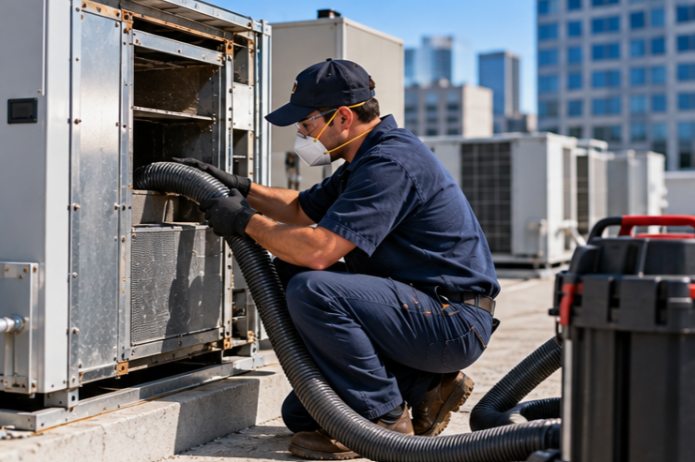
- Cleaning and maintaining system components like filters and coils
- Repairing or replacing damaged parts to restore system performance
- Explaining system issues and solutions to customers clearly
Types of HVAC Work (Residential vs Commercial)
As you grow in your career, you can choose between residential and commercial HVAC work. Residential jobs typically involve working in homes, solving comfort-related issues, and interacting directly with homeowners. This type of work helps you build communication skills and gain practical troubleshooting experience.
Commercial HVAC, on the other hand, involves working with larger and more complex systems in buildings like offices, hospitals, and malls. These systems require a deeper technical understanding and often offer higher earning potential. Many technicians start in residential work and later transition into commercial roles as they gain experience and certifications.
| Type of Work | What You’ll Do | Work Environment |
|---|---|---|
| Residential HVAC | Install and repair home systems, solve comfort issues | Houses, apartments |
| Commercial HVAC | Work on large-scale systems and advanced equipment | Offices, hospitals |
HVAC Salary in 2026: What You Can Expect

One of the biggest advantages of choosing HVAC as a career is the earning potential. Unlike many entry-level jobs, HVAC allows you to start earning a stable income early and increase your earnings as your skills improve. The more experience and certifications you gain, the higher your income potential becomes. This makes HVAC a career where your growth directly impacts your earnings.
In 2026, HVAC salaries are expected to remain strong due to high demand and a shortage of skilled technicians. Those who specialize in advanced systems or commercial HVAC can earn significantly more than average. For students, this means you are entering a field where your effort and skill development are directly rewarded.
Entry-Level vs Experienced Pay
Here’s a realistic breakdown of HVAC salaries based on experience level:
| Experience Level | Expected Salary |
|---|---|
| Entry-Level Technician | $40,000 – $55,000 |
| Mid-Level Technician | $55,000 – $75,000 |
| Experienced Technician | $75,000 – $95,000+ |
| Specialized / Commercial | $90,000 – $120,000+ |
These numbers show that HVAC is not just a job; it is a career where income grows steadily over time.
Factors That Impact HVAC Salaries
Several factors influence how much you can earn in HVAC, and understanding them helps you plan your career better. Technicians who invest in learning new skills and gaining certifications often see faster income growth. Location and type of work also play a major role in determining salary levels.
What affects your salary:
- Skill level and technical expertise
- Certifications and training completed
- Type of work (residential vs commercial)
- Years of experience in the field
- Overtime and emergency service opportunities
Job Demand and Career Stability in the HVAC Industry

HVAC is one of the few careers where job demand remains stable regardless of economic conditions. Heating and cooling systems are essential, which means people will always need technicians to maintain and repair them. This creates a consistent flow of work opportunities for those in the field. For students, this translates into job security and long-term career stability.
Even during slower economic periods, HVAC technicians continue to find work because systems still require maintenance and repairs. This makes HVAC different from many other industries that are affected by market changes. Choosing a career in HVAC means you are entering a field where your skills will always be needed.
Why HVAC Jobs Are Always in Demand
The demand for HVAC technicians remains high because systems need regular servicing and eventual replacement. Breakdowns can happen at any time, and customers rely on technicians to restore comfort quickly. This creates ongoing job opportunities across residential and commercial sectors.
Why demand stays strong:
- HVAC systems are essential for daily comfort
- Regular maintenance is required for efficiency
- Emergency repairs are always needed
- New construction continues to grow
- Skilled technicians are limited in number
Impact of Climate and Technology on Demand
Climate conditions and technological advancements are increasing the need for HVAC professionals. Hotter summers and extreme weather lead to higher system usage, which increases wear and maintenance requirements. At the same time, modern HVAC systems are becoming more advanced and require skilled technicians to handle installation and repairs.
This combination of climate demand and technological growth ensures that HVAC remains a future-proof career. Students entering this field today are stepping into an industry that will continue to evolve and expand.
Skills and Certifications Needed to Succeed in HVAC
To succeed in HVAC, you need a combination of technical skills and practical training. The good news is that you do not need a traditional four-year degree to get started. Most skills are learned through training programs and hands-on experience, making it a faster path to entering the workforce.
Students who focus on building strong technical skills early can grow quickly in this field. The more you learn and practice, the more confident you become in handling real-world problems. This makes HVAC a career where learning never stops, and growth is always possible.
Technical Skills Required
HVAC technicians rely on a set of core skills that help them perform their job effectively. These skills are developed through training and real-world experience over time.
Important skills include:
- Understanding HVAC system components and operation
- Diagnosing airflow and cooling issues
- Basic electrical and wiring knowledge
- Reading technical diagrams and system layouts
- Using tools and diagnostic equipment
Certifications and Licensing in Maryland
If you plan to work in Maryland, obtaining the right certifications is essential. These certifications prove your skills and ensure you meet industry standards. They also improve your chances of getting hired and advancing in your career.
Key certifications include:
- EPA Section 608 Certification for handling refrigerants
- State HVAC licensing based on training and experience
- Safety and compliance certifications
- Manufacturer-specific training programs
In addition to HVAC certifications, understanding contractor-level requirements can open more career opportunities as you grow. Training programs that include guidance for advanced licensing, such as the MHIC class, help you move beyond technician roles and prepare for independent or business-level work in the future.
Pros and Challenges of an HVAC Career
Choosing HVAC as a career comes with clear advantages, but it is important to understand both the benefits and the challenges before committing. This field rewards people who are consistent, willing to learn, and comfortable working in different environments. For students, having a realistic view helps in making a confident and informed decision.
HVAC is not a shortcut career where success happens overnight. It requires effort, hands-on practice, and the ability to handle real-world situations. However, for those who stay committed, it offers long-term stability, strong income growth, and opportunities to advance into specialized roles or even start a business.
Benefits of Choosing HVAC
One of the biggest advantages of HVAC is that it provides a direct path to earning without spending years in traditional education. You can start working, gaining experience, and building income much earlier compared to many other career paths. Over time, your skills become more valuable, which increases both your job opportunities and earning potential.
Another major benefit is job security. HVAC is an essential service, which means your work will always be needed regardless of economic changes. Many technicians also enjoy the flexibility to work independently, take on side jobs, or even start their own service business after gaining experience.
Key benefits of HVAC:
- Early earning potential without long academic pathways
- Strong job security due to essential service demand
- Continuous learning and career growth opportunities
- Ability to specialize in high-paying areas
- Potential to start your own HVAC business
Common Challenges to Be Aware Of
While HVAC offers many advantages, it also comes with challenges that students should be prepared for. The work can be physically demanding, especially during peak summer or winter seasons when systems are under heavy use. Technicians may need to work in hot, cold, or confined environments depending on the job.
Another challenge is the need to continuously learn and adapt. HVAC technology is evolving, and staying updated with new systems and tools is essential for long-term success. Work schedules can also vary, especially during emergency calls or peak seasons, which may require flexibility.
Common challenges include:
- Physically demanding work in different environments
- Working in extreme weather conditions
- Need for continuous learning and skill development
- Irregular hours during peak seasons or emergencies
- Handling customer expectations and urgent repairs
Understanding these challenges early helps you choose the right HVAC trade school that prepares you for real-world work, not just theory. A quality training program will build your technical skills, problem-solving ability, and confidence to handle job-site situations effectively. Starting with the right HVAC trade school sets a strong foundation and gives you a clear advantage as you begin your career.
Why Choose Su’Coy CLC for HVAC Training in Maryland

Starting your HVAC career with the right training can shape how quickly you gain confidence and start working in the field. A focused trade school program gives you the advantage of learning practical skills instead of just theory, helping you understand how HVAC systems actually function in real-world conditions. For students who want to enter the industry faster and with the right foundation, choosing a hands-on training institute is a critical first step.
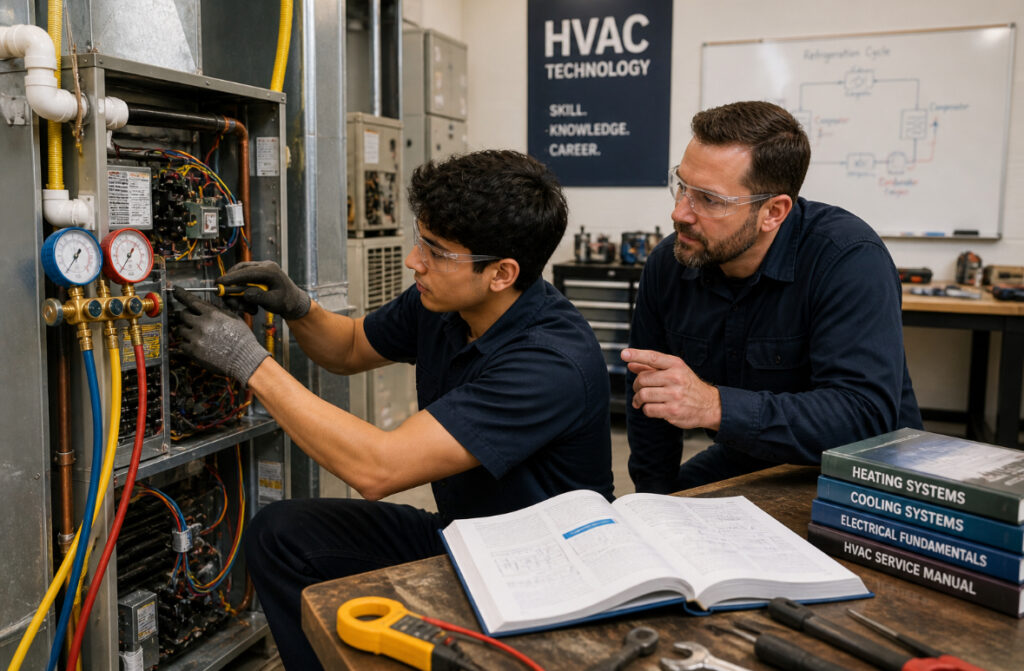
At Su’Coy CLC, training is built around real equipment, real scenarios, and industry-relevant techniques. Students get the opportunity to work directly on systems they will encounter on the job, which helps bridge the gap between learning and working. Programs like the HVAC universal technician class are designed to prepare students for certifications and practical challenges, making them job-ready from day one.
Training at Su’Coy CLC also focuses on industry standards, safety practices, and certification requirements in Maryland. With guidance from experienced instructors, students learn how to diagnose issues, handle tools confidently, and work efficiently in real service conditions. This type of structured training gives you a strong advantage when entering the HVAC job market and building a long-term career.