Frequently Asked Questions
How to start a HVAC career?
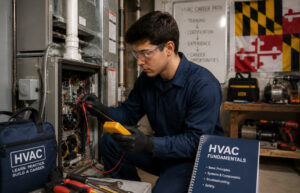
Starting a HVAC career involves obtaining relevant training and education, such as enrolling in a local HVAC program, gaining hands-on experience through internships, and earning necessary certifications to become job-ready in the field.
How to excel in HVAC career?
Excelling in an HVAC career requires a combination of hands-on training, continuous learning, and obtaining relevant certifications. Staying updated with industry advancements and building strong problem-solving skills will enhance your employability and effectiveness as a technician.
How much do jobs in heating and cooling technicians make?
The earnings of heating and cooling technicians vary based on experience, location, and employer. On average, technicians can expect to make between $40,000 and $60,000 annually, with potential for higher wages as they gain skills and certifications.
What is HVAC career?
The HVAC career involves working with heating, ventilation, and air conditioning systems, focusing on installation, maintenance, and repair. This field offers diverse job opportunities and is essential for ensuring indoor comfort and air quality.
Why HVAC is a good career?
The advantages of pursuing a career in HVAC are numerous. It offers stable job opportunities, competitive salaries, and the chance to work in a growing industry, ensuring job security and the ability to make a positive impact on people's comfort and energy efficiency.
What HVAC career paths are there?
The HVAC career paths include roles such as HVAC technician, installer, service manager, and system designer, each offering unique responsibilities and opportunities for specialization within the heating, ventilation, and air conditioning industry.
Why should you consider a career as a HVAC technician?
A career as an HVAC technician offers stability, competitive salaries, and high demand for skilled professionals. With hands-on training and job-ready certifications, you can quickly enter a rewarding field that plays a vital role in maintaining comfortable living and working environments.
How to get started in HVAC career?
Getting started in an HVAC career involves enrolling in a training program at a reputable institution, such as Sucoy Community Learning Center, where you can gain hands-on experience and earn job-ready certifications.
What does a career in HVAC involve?
A career in HVAC involves installing, maintaining, and repairing heating, ventilation, and air conditioning systems. Technicians work with various tools and technologies to ensure efficient climate control in residential and commercial settings.
What skills are essential for HVAC technicians?
The essential skills for HVAC technicians include strong problem-solving abilities, mechanical aptitude, effective communication, attention to detail, and familiarity with safety protocols. These skills ensure technicians can efficiently install, maintain, and repair HVAC systems.
How long does HVAC training typically take?
The duration of HVAC training typically varies, but most programs can be completed in 6 months to 2 years, depending on the type of certification and the depth of training desired.
What certifications are needed for HVAC careers?
The certifications needed for HVAC careers include the EPA Section 608 certification for handling refrigerants, as well as various industry-recognized credentials like NATE (North American Technician Excellence) and HVAC Excellence certifications, which enhance job readiness and expertise.
What are common HVAC job responsibilities?
Common HVAC job responsibilities include installing, maintaining, and repairing heating, ventilation, and air conditioning systems. Technicians also troubleshoot issues, ensure systems operate efficiently, and comply with safety regulations.
How to find HVAC job opportunities locally?
Finding HVAC job opportunities locally involves researching local job boards, networking with industry professionals, and checking with HVAC companies directly. Additionally, utilizing social media and community resources can enhance your search for available positions.
What tools do HVAC technicians commonly use?
The tools commonly used by HVAC technicians include multimeters, wrenches, screwdrivers, refrigerant gauges, and vacuum pumps, which are essential for installing, maintaining, and repairing heating, ventilation, and air conditioning systems.
What is the job outlook for HVAC technicians?
The job outlook for HVAC technicians is promising, with a projected growth rate of 5% through 2029, driven by the demand for energy-efficient systems and the need for skilled professionals in residential and commercial settings.
How to network in the HVAC industry?
Networking in the HVAC industry involves connecting with professionals through industry events, joining local trade associations, and utilizing social media platforms like LinkedIn to build relationships and share knowledge with peers and potential employers.
What are the benefits of HVAC training programs?
The benefits of HVAC training programs include gaining hands-on skills, obtaining job-ready certifications, and enhancing employment opportunities in a growing industry, ultimately leading to a rewarding career in heating, ventilation, and air conditioning.
How to prepare for HVAC certification exams?
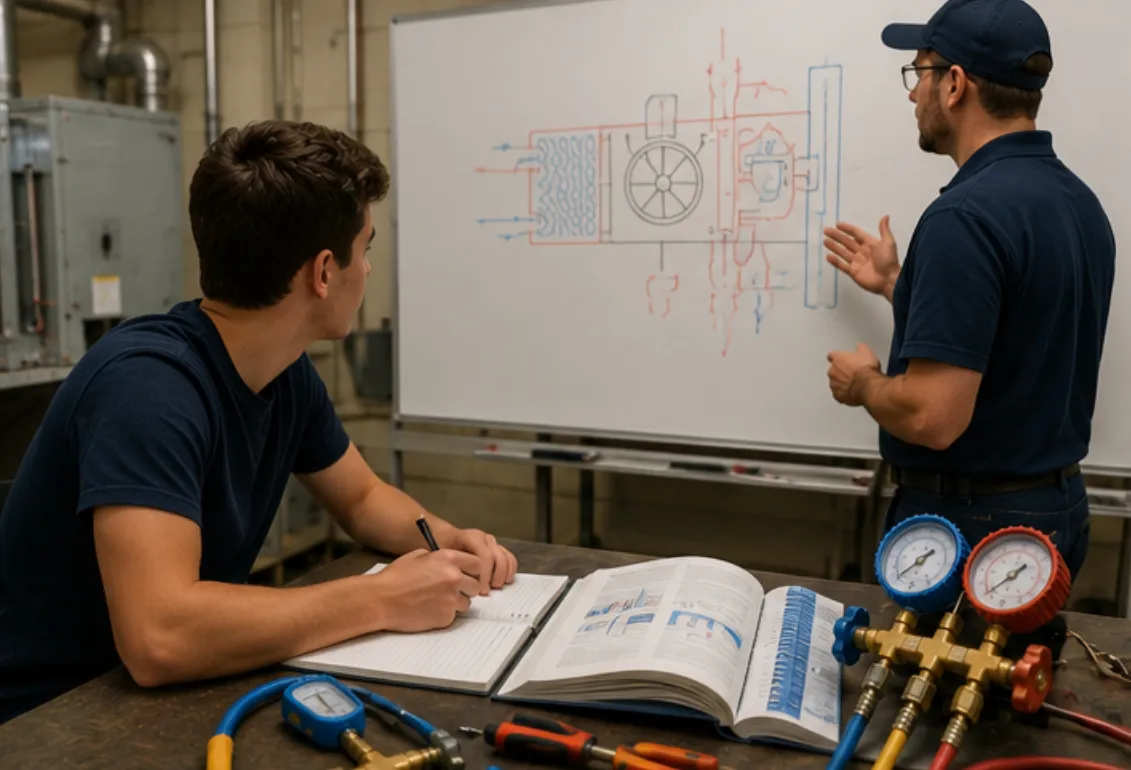
Preparing for HVAC certification exams involves studying key concepts, reviewing relevant codes and regulations, and practicing hands-on skills. Utilize study guides, take practice tests, and consider joining a prep course to enhance your knowledge and confidence.
What are the challenges in HVAC careers?
The challenges in HVAC careers include staying updated with rapidly evolving technology, managing physically demanding tasks, and navigating varying job conditions. Additionally, technicians must handle emergency situations and ensure compliance with safety regulations.
How to advance in an HVAC career?
Advancing in an HVAC career involves gaining additional certifications, pursuing specialized training, and gaining practical experience. Networking with industry professionals and staying updated on the latest technologies can also enhance career growth opportunities.
What industries hire HVAC technicians?
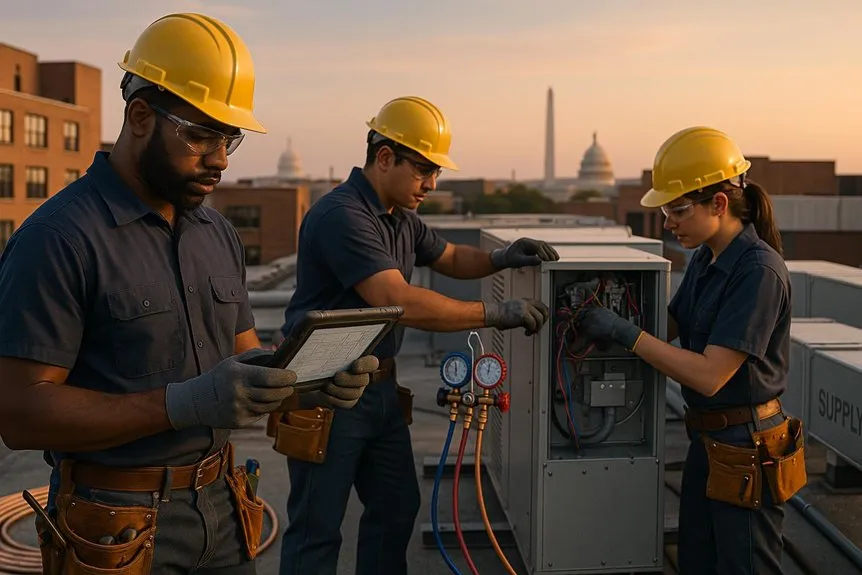
Various industries hire HVAC technicians, including residential and commercial construction, manufacturing, healthcare, hospitality, and education. These sectors require skilled technicians to install, maintain, and repair heating, ventilation, and air conditioning systems.
What is the average salary for HVAC technicians?
The average salary for HVAC technicians varies by location and experience, but it typically ranges from $40,000 to $60,000 per year, with potential for higher earnings through specialized skills and certifications.
How to choose the right HVAC school?
Choosing the right HVAC school involves evaluating factors such as accreditation, curriculum quality, hands-on training opportunities, and job placement rates to ensure you receive a comprehensive education that prepares you for a successful career in HVAC.
What are the latest trends in HVAC technology?
The latest trends in HVAC technology include increased use of smart systems for enhanced energy efficiency, the adoption of environmentally friendly refrigerants, and the integration of IoT devices for real-time monitoring and control.
How to gain hands-on experience in HVAC?
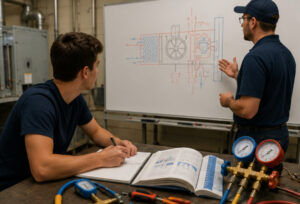
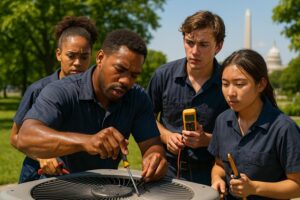
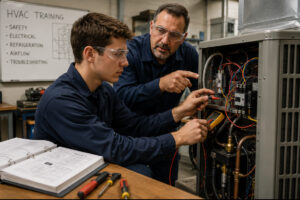
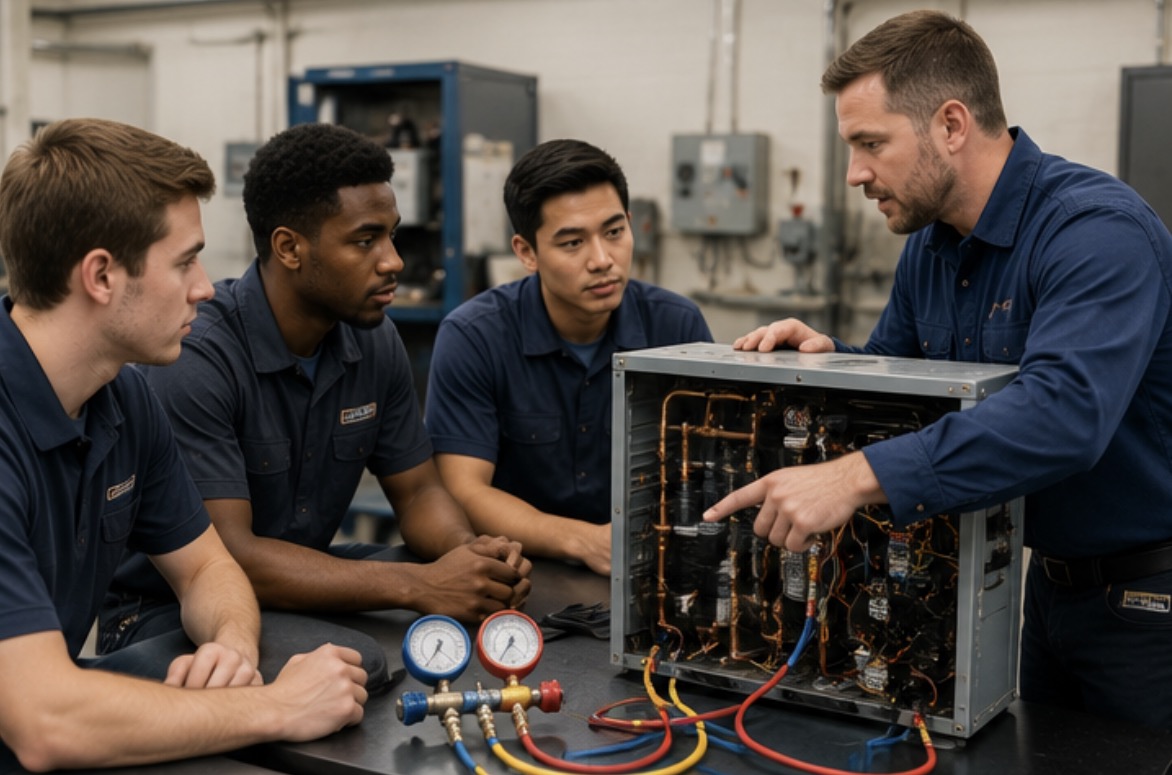
Gaining hands-on experience in HVAC involves enrolling in practical training programs, participating in internships, and seeking apprenticeships with local HVAC companies to apply your skills in real-world settings.
What are the safety protocols for HVAC work?
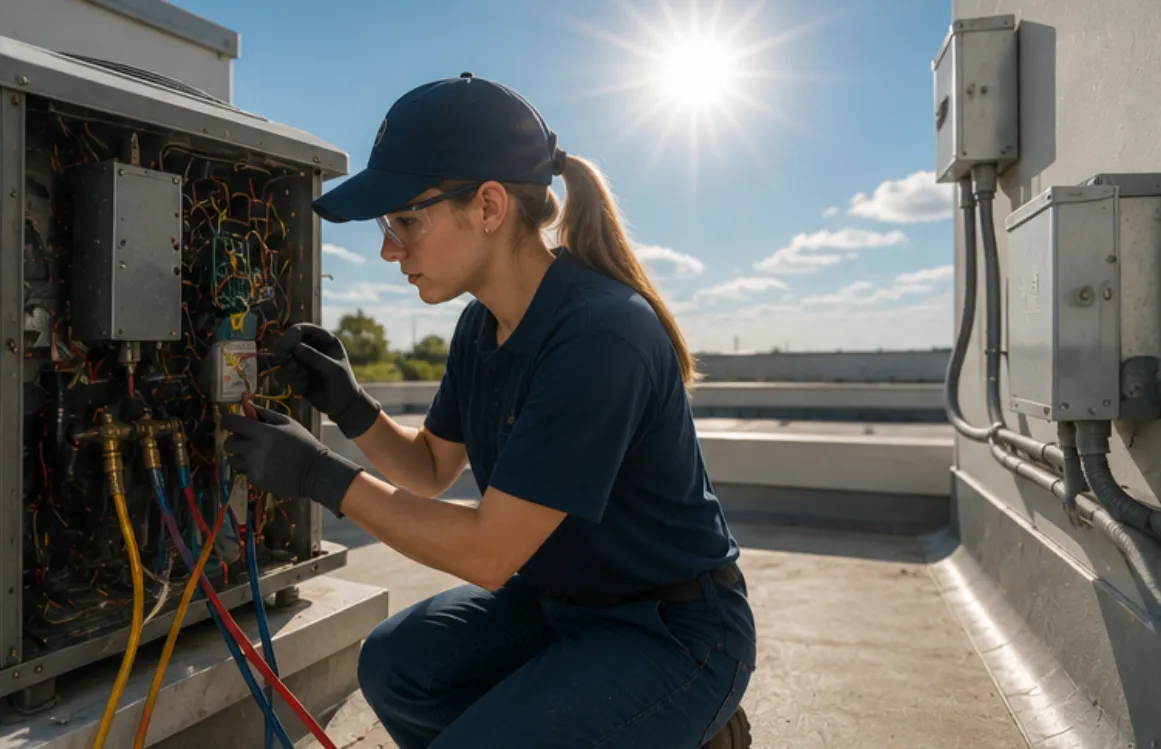
The safety protocols for HVAC work include using personal protective equipment (PPE), ensuring proper ventilation, following lockout/tagout procedures, and adhering to local codes and regulations to prevent accidents and ensure a safe working environment.
How to transition from HVAC technician to supervisor?
Transitioning from HVAC technician to supervisor involves enhancing your leadership skills, gaining experience in project management, and pursuing additional training or certifications. Building strong communication abilities and demonstrating reliability will also help you advance into a supervisory role.
What continuing education options exist for HVAC professionals?
Continuing education options for HVAC professionals include specialized certification programs, workshops, online courses, and industry conferences that enhance skills, keep up with technological advancements, and ensure compliance with evolving regulations.
How to specialize in a specific HVAC area?
Specializing in a specific HVAC area involves identifying your interest, pursuing targeted training programs, and gaining hands-on experience in that niche. Consider certifications and additional courses that focus on areas like refrigeration, ventilation, or energy management to enhance your expertise.