Skip to content
Why Winter Is the Best Time to Start HVAC Training in Maryland
Think about it, while most students are stuck with simulations, winter HVAC trainees get to work on live heating systems in action, gaining real-world troubleshooting experience from day one. Winter classes give you extra lab time, close instructor guidance, and focused furnace diagnostics, turning theory into hands-on skills faster than any textbook ever could. In this guide, we’ll show how training in winter supercharges your skill development, lines up perfectly with Maryland’s hiring cycles, and helps you tackle the key certifications you need to jump into the workforce confidently.
Why Is Winter the Ideal Season to Start HVAC Training in Maryland?

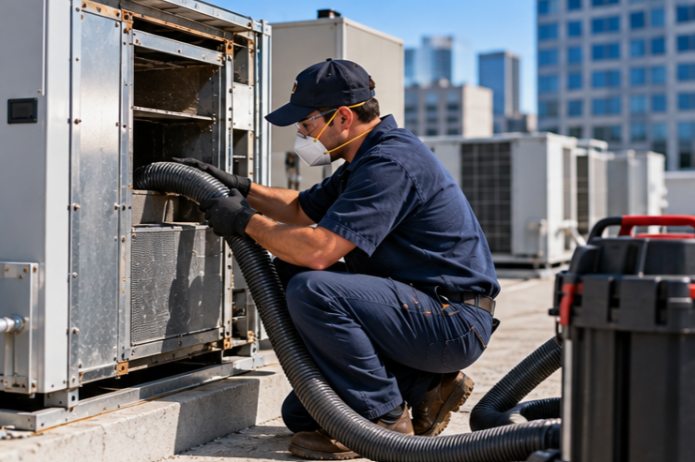
Winter gives you a hands-on edge: heating systems are running, equipment is available, and smaller class sizes mean more instructor attention. Trainees get to troubleshoot furnaces under load, check heat-pump defrost cycles, and measure combustion and airflow while systems are active—experience that builds real-world confidence faster than simulations. With less competition for lab time, students log extra hands-on hours each week, sharpen skills faster, and move from basic instruction to job-ready competence.
Winter training delivers clear advantages:
- Smaller classes for personalized mentorship and fast corrections.
- Live heating systems for authentic, in-the-field troubleshooting practice.
- More lab time with fewer scheduling conflicts, so you can repeat tasks and master skills.
These benefits create a direct path from learning to doing, giving you a practical head start for entering the workforce.
Ready to launch your HVAC career this winter? Enroll now at Sucoy Community Learning Center and start gaining hands-on skills today!
Small Classes, Big Learning: More Instructor Time, More Practice
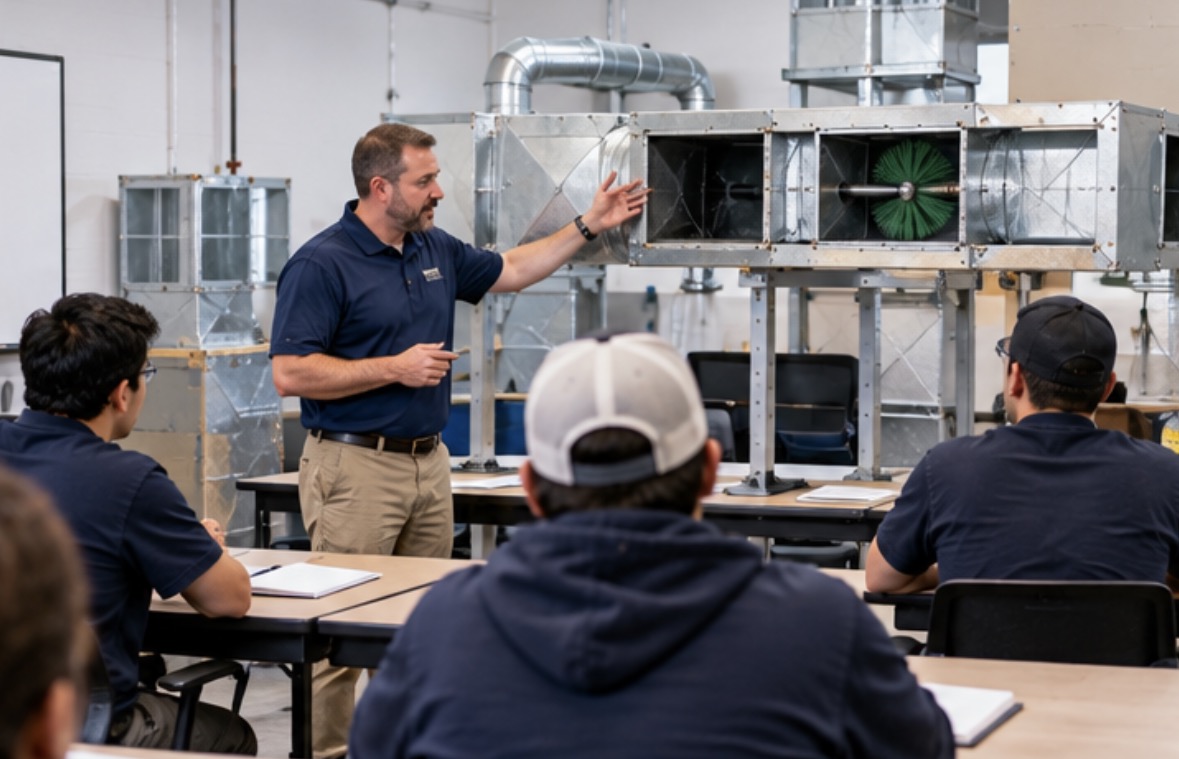
Smaller winter cohorts give you more hands-on time with instructors, quicker corrections, and plenty of chances to repeat complex drills until you feel confident. From furnace teardowns to refrigerant recovery, instructors guide each student step by step, helping you build real troubleshooting skills faster than large classes allow.
Why this matters for you:
- Focused guidance: One-on-one coaching helps you master each skill.
- Hands-on repetition: Do advanced drills multiple times until it click.
- Confidence on the job: Close supervision ensures you’re ready for real-world HVAC work.
How Does Starting HVAC Training in Winter Align with Temple Hill's Job Market?

Starting in winter positions graduates to enter the job market before the spring and summer hiring peaks, when employers add crews for air-conditioning installs, maintenance contracts, and retrofit projects. If you finish a winter program and secure core certifications, you can apply as demand rises and improve placement chances.
Key demand drivers in Temple Hill include:
- Seasonal weather cycles are driving heating and cooling service needs.
- Energy-efficiency retrofits and replacement cycles that increase technician demand.
- Workforce turnover and retirements open doors for entry-level workers.
Graduating before heavy seasonal hiring helps trainees turn hands-on experience into job offers when companies are actively building crews.
| Job Title | What Employers Typically Look For | Common Employment Pathways |
|---|---|---|
| HVAC Technician | Practical troubleshooting skills, EPA certification, and the ability to work on heating and cooling systems | Residential service companies, maintenance teams, and small contractors |
| Service Technician | Strong diagnostic ability, safety awareness, and communication skills | Home service companies, repair-focused contractors |
| Installation Technician | Basic installation knowledge, ability to follow start-up procedures, and teamwork | New construction crews, retrofit teams, and HVAC installation companies |
Ready to jumpstart your HVAC career this winter? Enroll at Sucoy Community Learning Center Today, and gain the hands-on skills employers are looking for!
When Is the Peak Hiring Season for HVAC Technicians in Temple Hill?
Peak hiring usually comes in late spring and early summer, when demand for air-conditioning service and new installs climbs. A winter start that finishes before spring gives graduates time to polish resumes, complete certifications, and attend interviews as companies scale crews. Employers want technicians who can show immediate field competence, so finishing ahead of the peak season makes candidates more competitive. Aim your job outreach in late winter to early spring to match hiring cycles and credential timelines.
Be Job-Ready Before Spring Hiring Starts. Apply Today!
What Are the Current Job Growth and Career Trends for HVAC Technicians in Temple Hills?
HVAC roles in Temple Hills continue to show steady, year-round demand, driven by residential heating and cooling cycles, ongoing equipment replacements, and commercial maintenance needs. Employers often look for technicians who combine hands-on experience with essential certifications, making practical winter training especially valuable for new entrants.
Career progression tends to accelerate for trainees who build strong troubleshooting habits, understand refrigerant handling procedures, and develop confident safety practices early on. Graduates who complete lab-based winter training typically enter the job search with clearer skill sets and a smoother transition into service or installation roles.
Typical HVAC Career Paths in Temple Hills
| Job Title | What Employers Generally Look For | Common Career Pathways |
|---|---|---|
| Entry-Level HVAC Technician | Basic troubleshooting, willingness to learn, and foundational HVAC training | Residential service teams, small contractors |
| Certified Refrigeration Technician | Strong refrigerant handling skills, EPA certification, and safety awareness | Service companies, maintenance departments |
| Installation Specialist | Ability to follow installation procedures, teamwork, and equipment familiarity | New construction crews, retrofit projects |
This section emphasizes skills, hands-on experience, and training timing, the key factors that influence hiring and advancement for HVAC technicians in Temple Hills.
What Makes Sucoy Community Learning Center’s Winter HVAC Training Unique?

Sucoy Community Learning Center’s winter program focuses on hands-on, applied learning designed to help students develop practical HVAC skills efficiently. The program emphasizes working with live systems, giving trainees experience that translates directly to real-world service and installation. Evening classes accommodate students balancing work or family, while instructors provide guidance and mentorship to support skill development.
Program Highlights:
- Hands-on labs that mirror real HVAC workflows.
- Experienced instructors offering guidance and industry insights.
- Evening schedules for students balancing other commitments.
- Certification preparation, including EPA Section 608 readiness and in-house testing.
| Feature | Details |
|---|---|
| Duration | 10-week Universal HVAC Technician Training |
| Schedule | Monday, Wednesday, Thursday, 4:30 PM–8:30 PM |
| Tuition | Approximately $4,360 with flexible payment options |
| Certification Prep | EPA Section 608 and in-house competency testing |
This focused winter program gives students hands-on experience, mentorship, and credential readiness, helping them build a strong foundation for entry-level HVAC work.
Start Your 10-Week HVAC Career Path Today, Limited Winter Seats Available.
How Su’Coy CLC’s Hands-On, Skills-Focused Training Benefits Winter Students
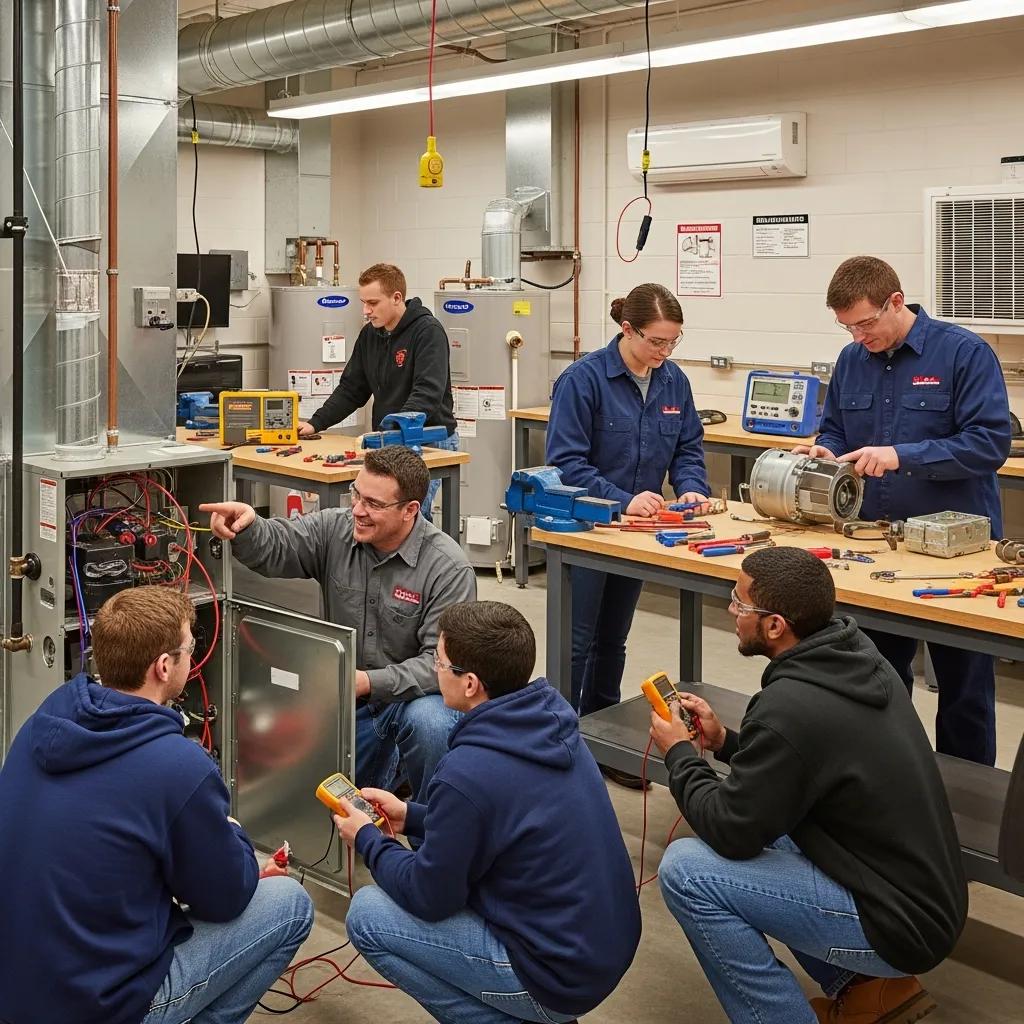
At Su’Coy Community Learning Center, winter students jump straight into hands-on, equipment-based training that helps them master real technician skills quickly. Most class time is spent working on live HVAC systems, running furnace checks, practicing refrigerant handling, troubleshooting electrical components, and measuring airflow, all with close instructor guidance. This repeated, practical practice builds confidence, strengthens skill retention, and connects classroom theory to real-world work. Because the training happens during the heating season, students experience the same system behaviors technicians encounter in the field, leaving them well-prepared for entry-level HVAC roles by the end of the winter session.
What Certifications and Licensing Should You Pursue During Winter HVAC Training in Temple Hill?

During winter training, the top priority is EPA Section 608 certification, which is required for anyone handling regulated refrigerants. Winter labs give you repeated practice with recovery, leak checks, and safe handling, the exact skills covered on the exam. You should also begin tracking training hours and supervised experience needed for Maryland licensing or apprenticeship pathways. Sucoy CLC supports this by offering structured lab hours, in-house competency testing, and guidance on local licensing requirements, helping you build a credential profile employers recognize during seasonal hiring.
Key certifications and steps to prioritize:
- EPA Section 608 for refrigerant handling and legal compliance.
- Documenting training hours and pursuing apprenticeship placements.
- Completing in-house competency testing and employer-recommended credentials.
These steps build a credential profile that employers recognize during seasonal hiring.
| Certification | Why It’s Needed | When to Take / How Sucoy CLC Prepares You |
|---|---|---|
| EPA Section 608 | Required for refrigerant handling | Prepped during course labs; in-house testing available |
| State/Apprentice Pathway | Licensing and documented experience | Training hours help meet apprenticeship prerequisites |
| In-House Certification Testing | Demonstrates competency to employers | Offered as part of the program to validate skills |
Preparing for these credentials during winter training speeds your path to employability and legal compliance in the field.
What Are Temple Hill's HVAC Licensing Requirements, and How Does Winter Training Help?
Temple Hill licensing typically combines documented training, supervised field hours, and passing exams. Winter training provides concentrated hands-on hours and helps students begin collecting the documentation needed for licensing or apprenticeship applications. Courses that cover safety protocols, refrigerant handling, and diagnostic competence line up with what licensing bodies evaluate, and mentorship connections help students find apprenticeship opportunities to log required field time. Use winter training not only to learn but to gather the paperwork and references that support licensing progression.
Advantages above into a concrete pathway to start training and enter Temple Hill’s HVAC workforce.
Jumpstart Your HVAC Career This Winter at Sucoy Community Learning Center!

Winter isn’t just a season; it’s your opportunity to gain real, hands-on HVAC experience while heating systems are running. At Sucoy Community Learning Center, winter training means smaller classes, focused mentorship, and direct practice on live furnaces and heat pumps. You’ll finish your program with the skills, confidence, and certifications employers in Temple Hill are actively seeking.
Don’t wait for spring. Secure your spot in our winter cohort today and start building a career where your hands-on skills set you apart. Enroll now and turn winter into your career advantage!