Skip to content
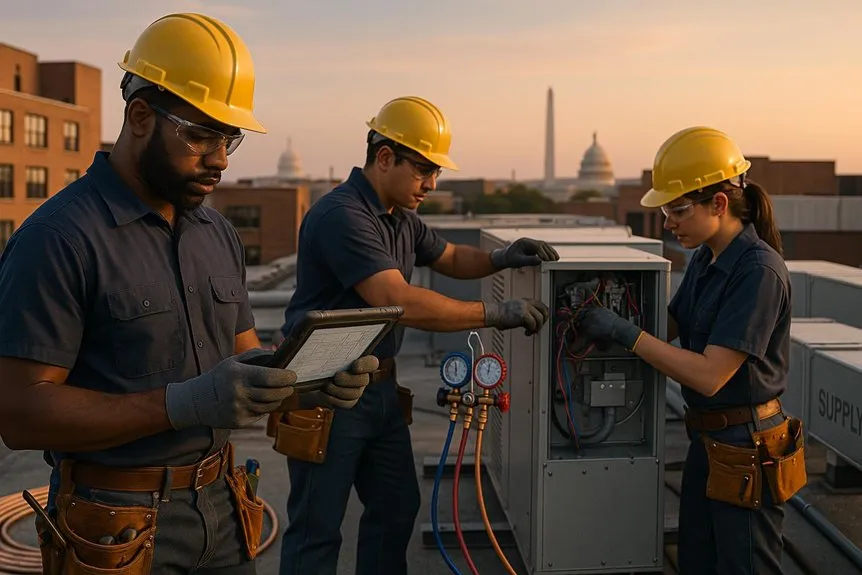
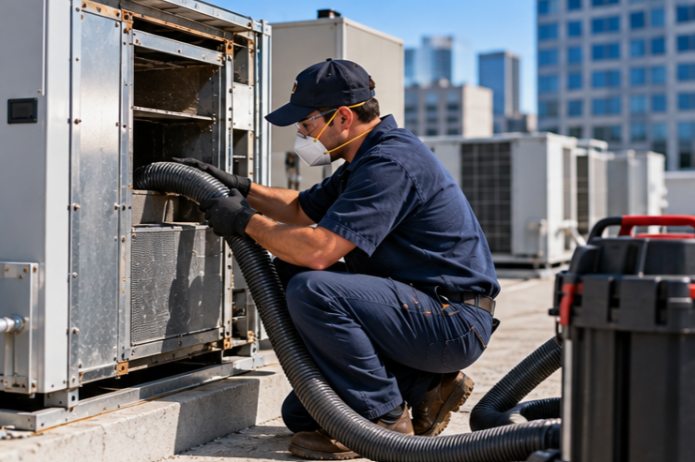
The HVAC industry offers a stable and rewarding career path for people looking to enter a skilled trade. Throughout Washington, DC, Maryland, and Northern Virginia, technicians are needed to install, maintain, and repair the heating, cooling, and ventilation systems that keep homes, businesses, healthcare facilities, and government buildings operating efficiently.
One of the biggest misconceptions about HVAC careers is that you need prior experience or advanced mechanical knowledge to get started. In reality, most successful technicians begin with little or no industry experience and develop their skills through structured training and hands-on practice.
Whether you’re graduating from high school, changing careers, or exploring new opportunities, understanding the skills required for HVAC work can help you determine whether the field is right for you. Below are the key technical, problem-solving, and professional skills that contribute to long-term success in the HVAC industry.
Why HVAC Technicians Are in Demand Across the DMV

Before we even talk skills, here is the encouraging part: the DMV needs HVAC techs, and that is not changing. Climate control is not optional in our homes, hospitals, and federal buildings, so the work stays steady all year. With experienced techs retiring and new buildings going up, employers have more openings than they can fill, and they are hiring people who trained for it.
- Aging DC rowhomes constantly need system upgrades, heat pumps, and efficiency improvements.
- New commercial and mixed-use buildings across the region add thousands of systems to service.
- Hospitals, data centers, and federal facilities need precise climate control with no downtime.
- A wave of retiring technicians is leaving experienced roles wide open across the trade.
- Tightening energy codes push owners to install efficient systems and improve air quality.
- Trained newcomers are stepping straight into the roles older techs leave behind.
That demand is the open door. The skills below are how you walk through it, and none of them require natural talent or years of experience to begin. All it takes is a willingness to learn, starting with the technical foundation every tech is taught first.
The HVAC Technical Skills You Will Learn First
Do not let this list intimidate you. Every working technician started out knowing none of it, and good training teaches each piece in order. Technical skill is simply the foundation of the trade: understanding electricity, refrigeration, and airflow, then learning to install and repair equipment safely. You build all of it from scratch, one lab session at a time.
- Electrical Basics: Read wiring diagrams, use a multimeter, and work safely around high voltage.
- Refrigeration Cycle: Learn superheat, subcooling, and the EPA 608 rules for handling refrigerant.
- Mechanical Skills: Braze, flare, pipe, leak-check, and set compressors and coils correctly.
- Airflow and Ducts: Measure static pressure, balance supply and return, and size ductwork.
- Diagnostic Tools: Get comfortable with digital gauges, smart thermostats, and basic controls.
- Code Awareness: Understand the safety, permitting, and efficiency rules behind every job.
You will not master these overnight, and nobody expects you to. Training gives you the repetition until they feel natural. But tools alone never fix a system, and the skill that ties them all together is one you can start sharpening right now: the way you think through a problem.
Learning to Troubleshoot Like a Professional

Here is a skill that surprises new students. The best techs are not the ones who memorize the most, they are the ones who think clearly. Real systems rarely fail by the book, so you learn to slow down, separate what the customer notices from what is actually wrong, and test ideas one at a time. It is a mindset, and it is very teachable.
- Build a quick mental map of the system before you start pulling it apart.
- Separate the symptoms a customer reports from the actual underlying cause.
- Test one theory at a time so you can trust what each result tells you.
- Use meters, gauges, and software to confirm your thinking, not replace it.
- Avoid frustrating callbacks by verifying the real fix before you pack up.
- Write down what you found so the next visit starts with better information.
You practice this in the lab first, where a wrong guess costs nothing but a lesson. Once you can diagnose with some confidence, there is still a person standing next to you who needs to understand what you found, which points to a skill many students never expect to lean on so much.
The People Skills That Set Techs Apart
When you picture an HVAC tech, you probably picture tools, not conversations. But on most calls you are the only expert in the room, and how you explain things decides whether the customer trusts you and the company. Good news for anyone who feels shy about that: this is a skill you practice and improve, not a personality you have to be born with.
- Plain Language: Explain what is wrong so anyone can understand it, without the jargon.
- Active Listening: Hear the customer’s real concern before you start proposing fixes.
- Calm Under Pressure: Reassure a stressed client when their system fails in a heatwave.
- Honest Options: Lay out repair-versus-replace choices without pressure or upselling.
- Clear Notes: Leave job notes a manager or the next tech can actually use.
- Follow-Through: Do what you say, when you say it, and the referrals follow.
These are habits you can begin building today, in any job or class you are in now. They turn a one-time visit into referrals and raises down the road. Next comes the part of the job that is less about talking and more about showing up ready, day after day.
Staying Safe, Strong, and Reliable on the Job
Let us be honest about the work: it is physical. You will be on ladders in July heat and crawling through tight rowhome attics, and you need the energy and the safety habits to do it without getting hurt. If that sounds demanding, it is, and it is also why the trade pays well and why reliable people move up fast. You learn the habits in training, long before they matter on a roof.
- Build the physical endurance to work through hot attics and long shifts safely.
- Follow lockout and tagout steps every time you work on powered equipment.
- Wear proper protective gear and test for voltage before touching components.
- Secure ladders and keep your work area clean to prevent injuries and damage.
- Handle refrigerants and contaminated air using correct, code-compliant steps.
- Show up on time and ready, because reliability is what earns you promotions.
Stay safe and dependable and you will always have work. But the trade keeps changing, so the last skill is really an attitude, and it is the one that decides whether you can pick all of this up without teaching yourself the hard way on customer systems.
How You Will Actually Build These Skills

You could try to learn all of this piece by piece on job sites, but that path is slow, stressful, and full of bad habits. You do not need to walk in knowing anything. A structured program builds these skills in a deliberate order, in a setting where mistakes cost nothing. Here is how good training turns a complete beginner into a job-ready tech.
Start With the Fundamentals
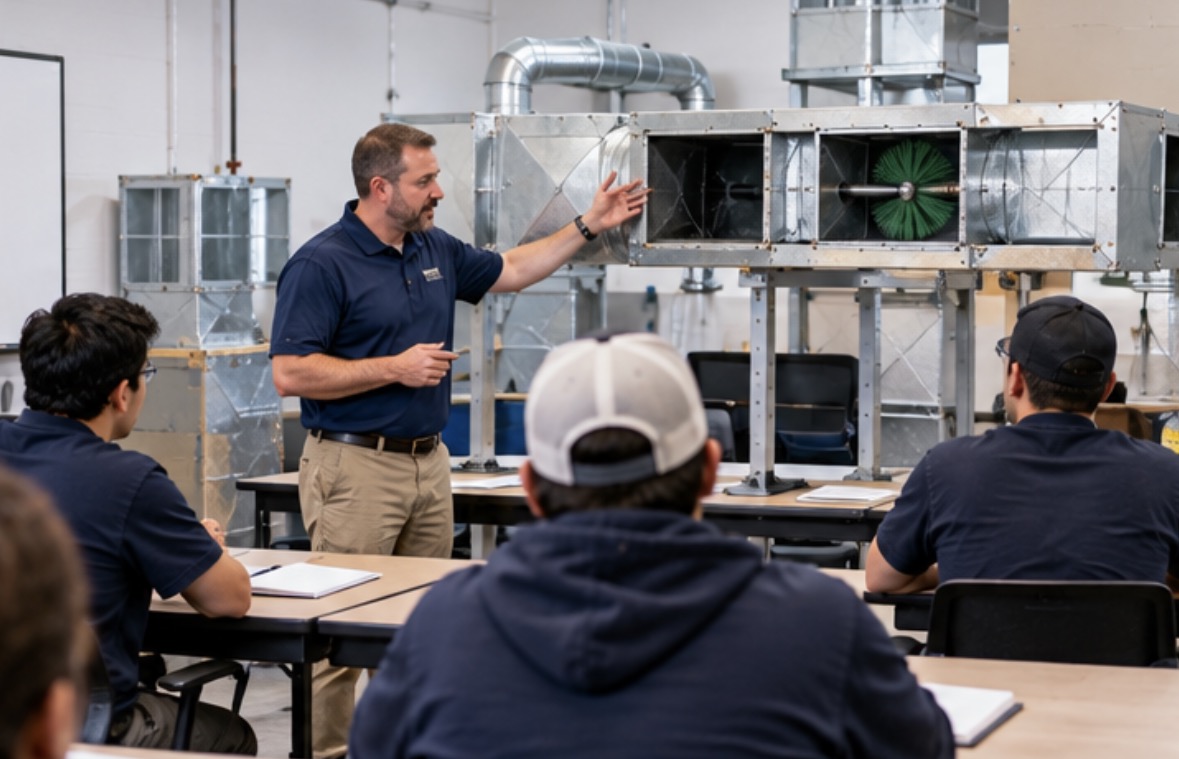
Training begins in the classroom and lab, where you learn electricity, the refrigeration cycle, and airflow before touching a live system. Understanding the why behind each step makes everything that follows click, and it keeps you safe once you reach real equipment.
Get Real Hands-On Lab Time
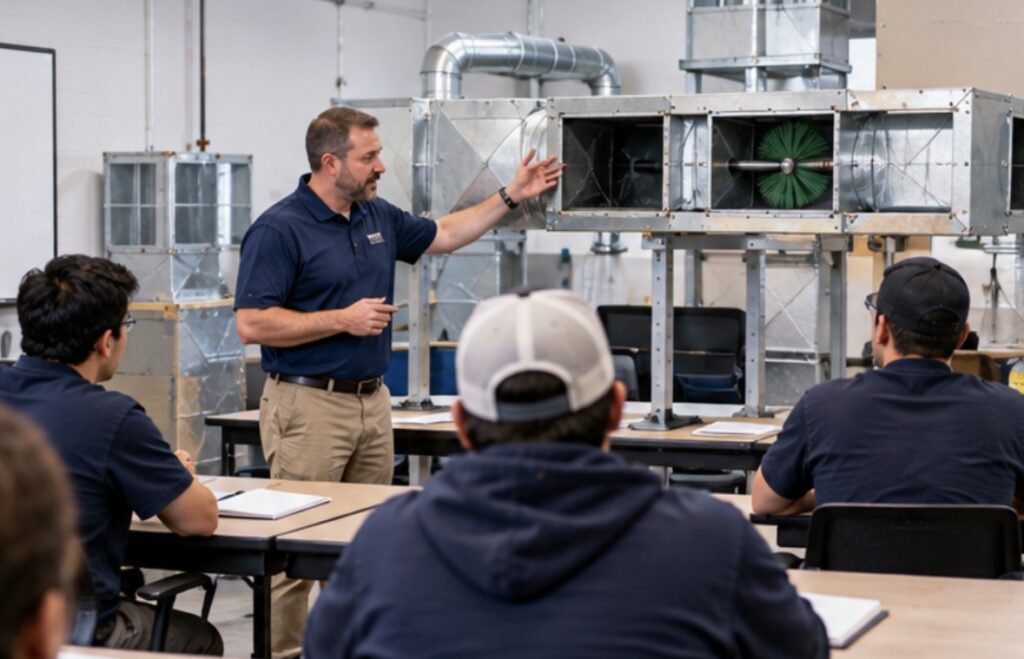
Then you practice the physical skills again and again: wiring control circuits, brazing line sets, pulling vacuums, and diagnosing planted faults. Doing this in a controlled lab, with an instructor watching, is exactly what hands-on HVAC training in DC is built to give you.
Earn Your EPA 608 Certification
Handling refrigerant legally requires EPA Section 608 certification, so a good program builds the prep right in. Walking out certification-ready, with exposure to NATE concepts and light commercial and boiler systems, makes you far more hireable than a beginner who still needs it.
The fastest route into this career is not teaching yourself on customer equipment, where mistakes are expensive and stressful. It is learning each skill in order, with feedback, from people who have done the work. The right school does exactly that, then helps you turn those new skills into your first paycheck.
Why Choose Su’Coy CLC for HVAC Training in Washington, DC

A great HVAC career is not reserved for people who were born handy. It is built from technical know-how, clear thinking, good communication, safe habits, and a willingness to keep learning, and every one of those can be taught to someone starting from zero.
At Su’Coy CLC, that is exactly who we train. You build each skill step by step in hands-on labs led by instructors who have done the real work, through an HVAC Universal Technician program with EPA 608 prep built in and no experience required to begin.
If you are ready to swap an uncertain future for a trade that always needs people, this is your starting line. Reach out to enroll and begin training for the career DC employers are hiring for.