Skip to content

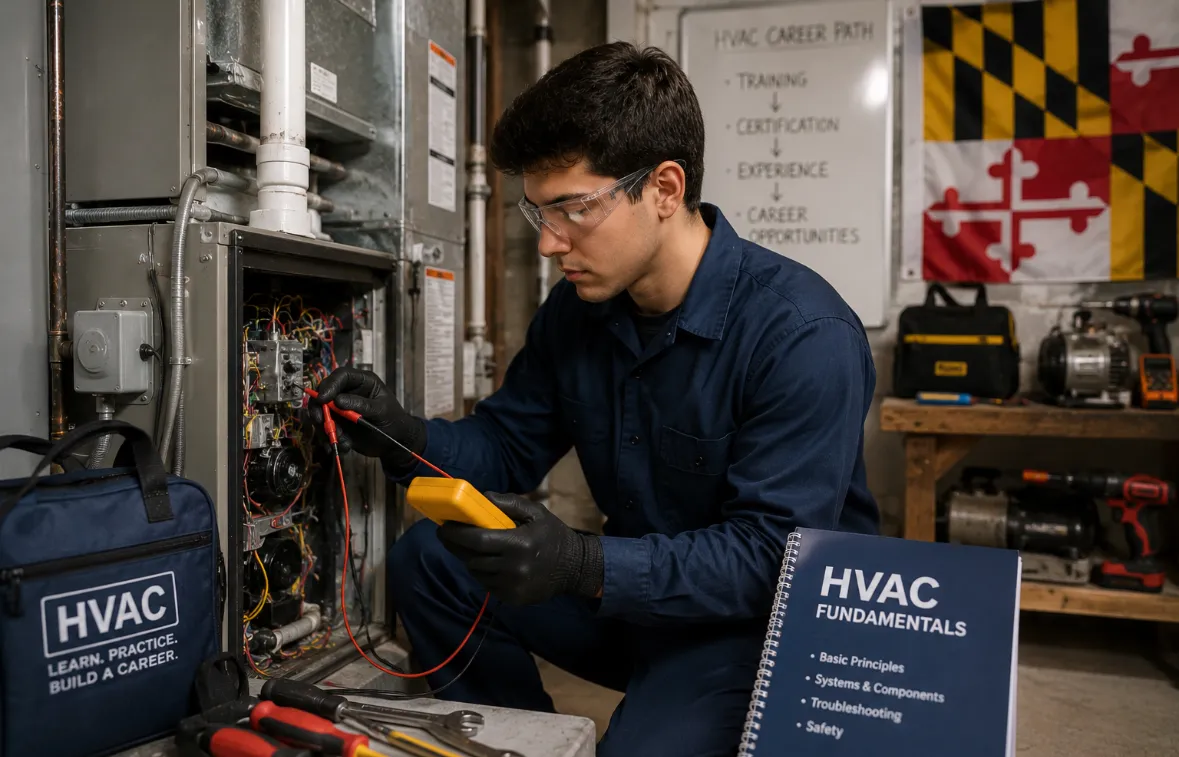
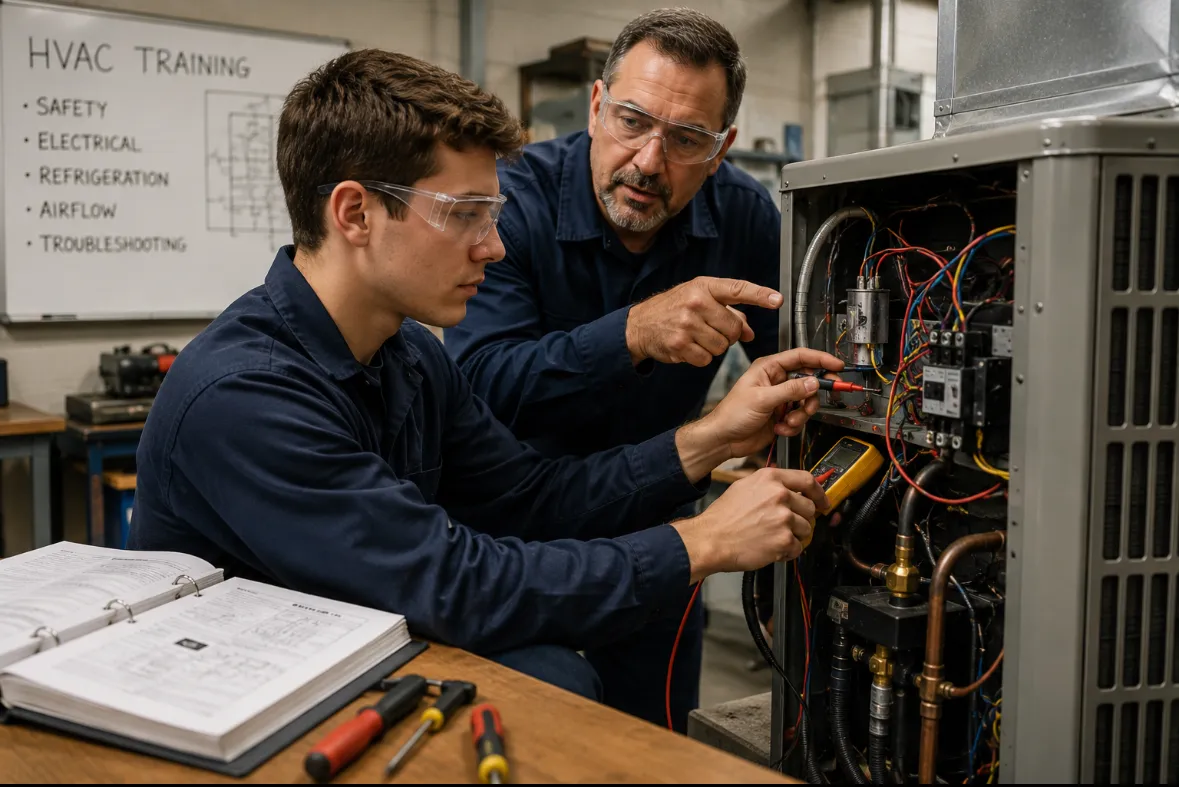
Becoming a skilled HVAC technician requires more than theoretical knowledge; it demands practical, hands-on training that bridges classroom learning with real-world application. In Temple Hills, this training offers specialized local education that develops vital technical skills while preparing candidates for certifications like EPA 608.
This article outlines the advantages, course offerings, certification preparation, career outcomes, program comparisons, and facilities provided by local centers, helping prospective technicians understand how hands-on training boosts their career prospects.
What Are the Key Advantages of Hands-on HVAC Training in Temple Hills?
Hands-on HVAC training provides immediate practical exposure, building essential skills and confidence. Working with real tools and live systems enables students to quickly translate classroom concepts into effective problem-solving.
How Does Practical Experience Improve HVAC Skill Development?
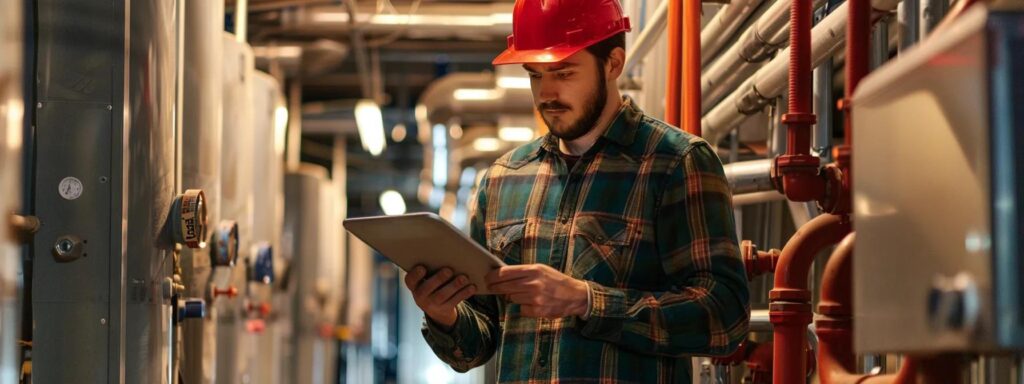
Hands-on HVAC technician training goes far beyond textbooks. Students work directly with HVAC systems, learning how to troubleshoot a faulty furnace, replace a heat pump, or reroute damaged duct systems.
This kind of real-time exposure develops essential motor skills and sharpens adaptive problem-solving skills that are hard to develop in a purely theoretical setting. Whether it’s understanding how a boiler works or practicing proper engine diagnostics, students gain the kind of know-how employers are actively looking for.
Key benefits of practical experience include:
- Improved retention through physical repetition and problem-solving
- Confidence using professional tools and performing tasks under pressure
- Familiarity with HVAC components like compressors, pumps, and ducts
- Better preparation for job requirements outlined in an HVAC technician’s job description
- Experience working with sustainable energy systems and eco-conscious solutions
- Readiness to pass licensing exams and background checks for HVAC jobs
- Faster transition into workforce roles with competitive hourly pay and health insurance benefits
Why Is Localized Training Important for HVAC Technicians in Temple Hills?
Localized HVAC technician training plays a critical role in shaping competent, job-ready professionals. In Temple Hills, training programs are tailored to the area’s unique building codes, sustainability guidelines, and seasonal demands like managing the heat load in older buildings or preparing systems for high humidity. Training on-site also builds relationships with regional employers and can lead to apprenticeship placements.
What Career Opportunities Open Up With Hands-on HVAC Training?
Graduates of hands-on HVAC technician training programs are equipped for immediate employment in roles like system installation, diagnostic technician, maintenance worker, and even electrician crossover roles. With real-world experience, they can handle everything from repairing a faulty pump to installing a new boiler system in line with energy-efficient standards.
Over time, hands-on trained technicians may move into management, consulting, or inspection roles. Some even start their own businesses after obtaining the necessary license. As workforce development programs continue to prioritize skill-based education, job seekers with field experience will be first in line for opportunities across both commercial and residential HVAC sectors.
Which Hands-on HVAC Training Courses Are Available in Temple Hills?
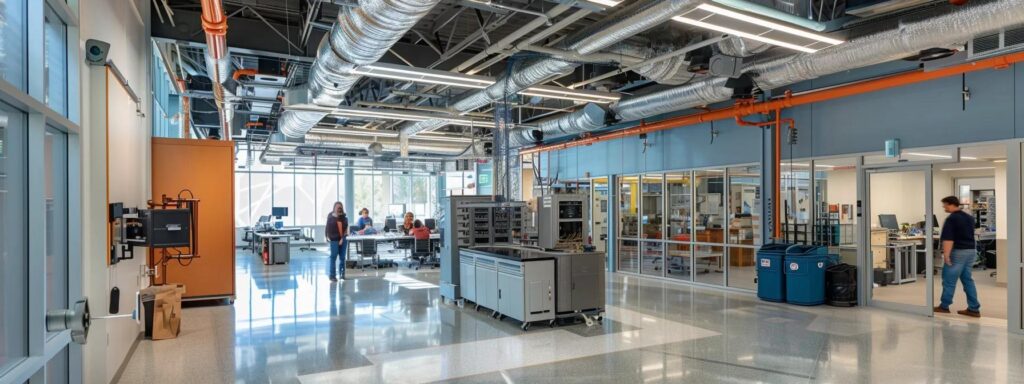
Training centers offer a variety of courses covering multiple aspects of HVAC technology while integrating essential regulatory and safety standards.
What Does HVAC Repair Training Include?
This course combines classroom theory with hands-on lab work, preparing students to read wiring diagrams, detect refrigerant leaks, and replace faulty components like motors, capacitors, or thermostats. Preventive maintenance practices are emphasized to reduce breakdowns and ensure system longevity. Technicians also gain confidence in performing emergency repairs and troubleshooting complex HVAC issues.
How Is HVAC Installation Training Structured?
Installation training emphasizes system design, airflow, and layout. Students learn to design ventilation paths, configure ductwork, and safely install furnaces, air conditioners, or heat pumps. Real-world projects reinforce measuring, cutting, wiring, and connecting system components.
What Are the Requirements and Benefits of EPA Certification Training?
EPA certification focuses on legal and safe refrigerant handling. Trainees study leak detection, recovery, recycling, and disposal protocols through hands-on labs and written exams. Certified technicians meet federal regulations, gain industry credibility, and often receive higher pay and priority job placement.
How Does Hands-on HVAC Training Prepare You for EPA 608 Certification in Temple Hills?
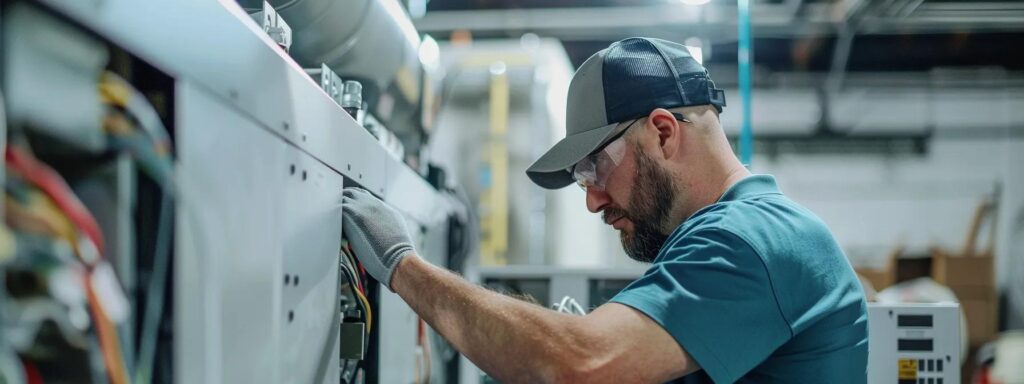
Hands-on training is crucial for mastering the skills required for EPA 608 certification. Under expert supervision, students conduct experiments with refrigerants and specialized tools to build real-world competence.
What Is the EPA 608 Certification and Why Is It Essential?
EPA 608 Certification is a federal requirement for any HVAC technician working with systems containing refrigerants. It confirms a technician’s ability to safely handle, recover, and dispose of ozone-depleting substances, aligning with environmental protection laws. This certification is divided into four types—Type I, II, III, and Universal—with Universal covering all categories.
In Temple Hills, where HVAC technicians must meet both local and national standards, this credential ensures regulatory compliance, protects public health, and reduces environmental impact. Without it, technicians can’t legally perform key tasks like refrigerant charging or leak repair, making it a non-negotiable step in HVAC career training.
How Does Practical Training Help Pass the EPA Certification Exam?
Practical, hands-on training plays a critical role in preparing for the EPA 608 Certification exam. Instructors walk students through real-world refrigerant management scenarios, such as leak detection, safe recovery, proper disposal, and identifying system malfunctions. Through guided labs and interactive workshops, students learn to apply classroom theory under pressure, building the muscle memory and confidence needed to perform safely and efficiently.
What Are the Career Benefits of EPA Certification for HVAC Technicians?
Holding an EPA 608 Certification brings several advantages for HVAC professionals, especially in competitive markets like Temple Hills:
- Higher earning potential in both residential and commercial HVAC sectors
- Legal qualification to work on systems containing refrigerants
- Greater job security due to regulatory compliance
- Preferred status with employers who seek certified, safety-conscious technicians
- Opportunities for promotion into specialized or supervisory roles
- Access to contract-based work where EPA compliance is mandatory
- Improved credibility that enhances trust with clients and contractors
- Stronger negotiation power for salary and benefits during job interviews
- Alignment with federal and local environmental standards, especially in regulated regions
- Essential credential for long-term career advancement in the HVAC industry
What Career Paths Follow Hands-on HVAC Training in Temple Hills?
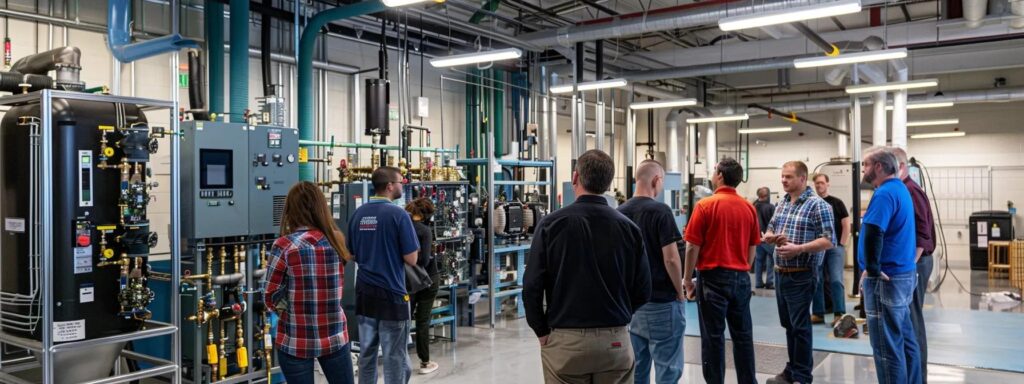
Hands-on HVAC training paves the way for diverse career opportunities and competitive salaries. Graduates are equipped for roles that require technical expertise and local market knowledge.
What Job Roles Can You Pursue After Completing Hands-on HVAC Training?
Graduates of hands-on HVAC technician training programs are prepared for a variety of in-demand roles in the HVAC industry. Common job titles include HVAC service technician, duct installer, heat pump specialist, furnace repair technician, boiler maintenance technician, and system installer. Others may step into roles focused on sustainable energy, such as energy efficiency consultants or green HVAC system designers.
With experience and a valid license, technicians can transition into supervisory roles, project managers, or even start their own HVAC businesses. Hands-on training provides the foundational skills to handle real-world challenges, whether in residential homes, commercial buildings, or industrial engine rooms.
How Does Hands-on Training Improve Job Placement and Advancement?
Hands-on HVAC technician training accelerates job placement by equipping students with proven technical skills that match real-world job descriptions. Employers in the HVAC industry prefer candidates who can troubleshoot, install, and repair HVAC systems from day one, especially those familiar with localized systems like duct configurations and zoning protocols.
Programs rooted in workforce development also build partnerships with local employers and industry groups, helping students access apprenticeships, job fairs, and on-the-job training opportunities.
Hands-On HVAC Training in Temple Hills: EPA 608 Certification Prep
Hands-on training offers an interactive, real-world approach that purely online or classroom-only programs cannot match. Direct experience with equipment deeply enhances learning and retention.
What Are the Benefits of Practical Training Over Theoretical Learning?
- Builds confidence through real-time system interaction
- Reinforces classroom lessons with immediate hands-on application
- Accelerates skill development through repetition and practice
- Provides exposure to tools, equipment, and field conditions
- Encourages active learning and engagement over passive memorization
- Improves retention of complex HVAC concepts
- Develops muscle memory for tasks like wiring, testing, and installations
- Mimics real job scenarios, making graduates more job-ready
How Does Hands-on Training Enhance Troubleshooting and Diagnostic Skills?
When students tackle real HVAC issues, such as malfunctioning heat pumps, faulty furnaces, or leaking refrigerant lines, they sharpen their diagnostic instincts. Rather than guessing from textbooks, they follow a logical process to uncover the root cause. Immediate instructor feedback during these exercises ensures errors are corrected on the spot.
This practical exposure also builds pattern recognition and critical thinking, helping students confidently identify and solve system issues in the field.
Why Do Employers Prefer Technicians With Hands-on Experience?
Employers look for technicians who can hit the ground running. When a candidate already knows how to use tools, read wiring diagrams, and troubleshoot ducts or boilers, employers save time and training costs. Hands-on training proves that the technician can handle real-world tasks, follow safety protocols, and work independently. It also shows a level of initiative and readiness that sets them apart from applicants with only theoretical knowledge.
Why Su’Coy Community Learning Center Is the Smart Choice for Hands-On HVAC Training
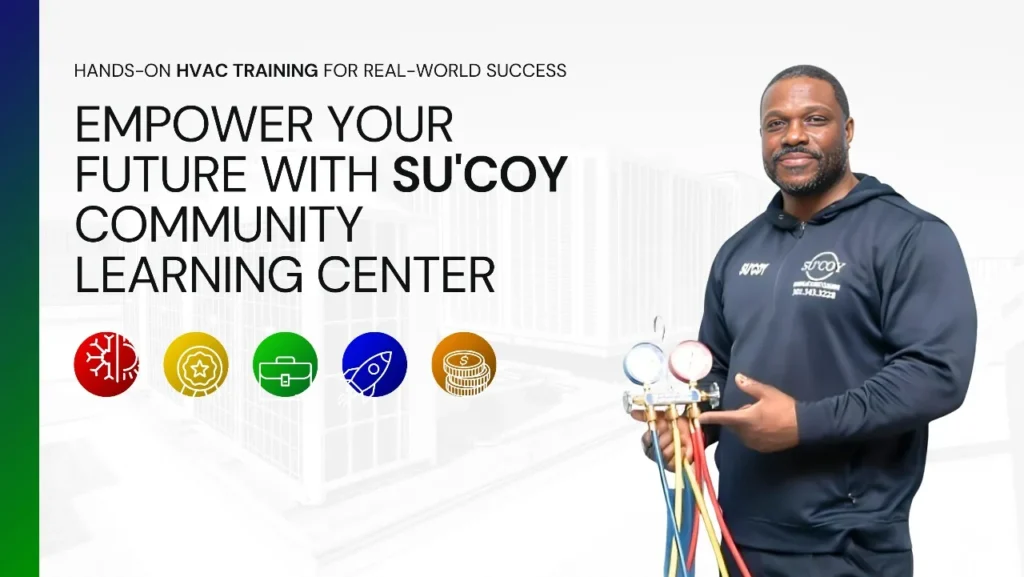
If you’re serious about building a long-term HVAC career, hands-on training is where it all starts, and Su’Coy Community Learning Center is the place to get it. Learn directly from an expert with 27+ years in the field and two master HVAC licenses. You’ll work on real heat pumps, furnaces, and duct systems, not just read about them.
Gain job-ready skills, earn industry-respected certifications like EPA 608, and connect with local employers who are actively hiring.
Whether you’re aiming to become a licensed technician, specialize in boiler systems, or start your own business, this is your launchpad.
Train smart. Train local. Train with Su’Coy.