Skip to content
Affordable HVAC Certification Programs in Temple Hills: Launch Your High-Demand Career Today

Thinking about a career that pays well and won’t disappear anytime soon? HVAC might be your perfect fit. With growing demand for climate control in homes and businesses and new air conditioning technology and energy standards driving change, certified HVAC pros are more in demand than ever.
If you’re in Temple Hills, affordable HVAC certification programs can fast-track your journey into this stable, high-growth trade. In this guide, we’ll break down what these programs cover, how long they take, what Maryland licensing requires, and what kind of job opportunities you can expect. If you’re ready to build a hands-on career with long-term potential, let’s get started!
Key Features of Quality HVAC Training Programs In Temple Hills

Effective HVACr technicians programs are designed to equip students with practical, job-ready skills. They typically combine comprehensive theoretical knowledge with extensive hands-on practice, ensuring graduates are confident and competent from day one. Key features include:
- Hands-On Practical Training: Working directly with real HVAC equipment is crucial for developing proficiency in installation, maintenance, and troubleshooting. This practical experience solidifies theoretical concepts and builds essential muscle memory.
- Up-to-Date Curriculum: The HVAC field is constantly evolving. Quality programs feature curriculum that covers the latest technologies, including energy-efficient systems, advanced diagnostic tools, and safe refrigerant handling practices, ensuring graduates are prepared for modern challenges.
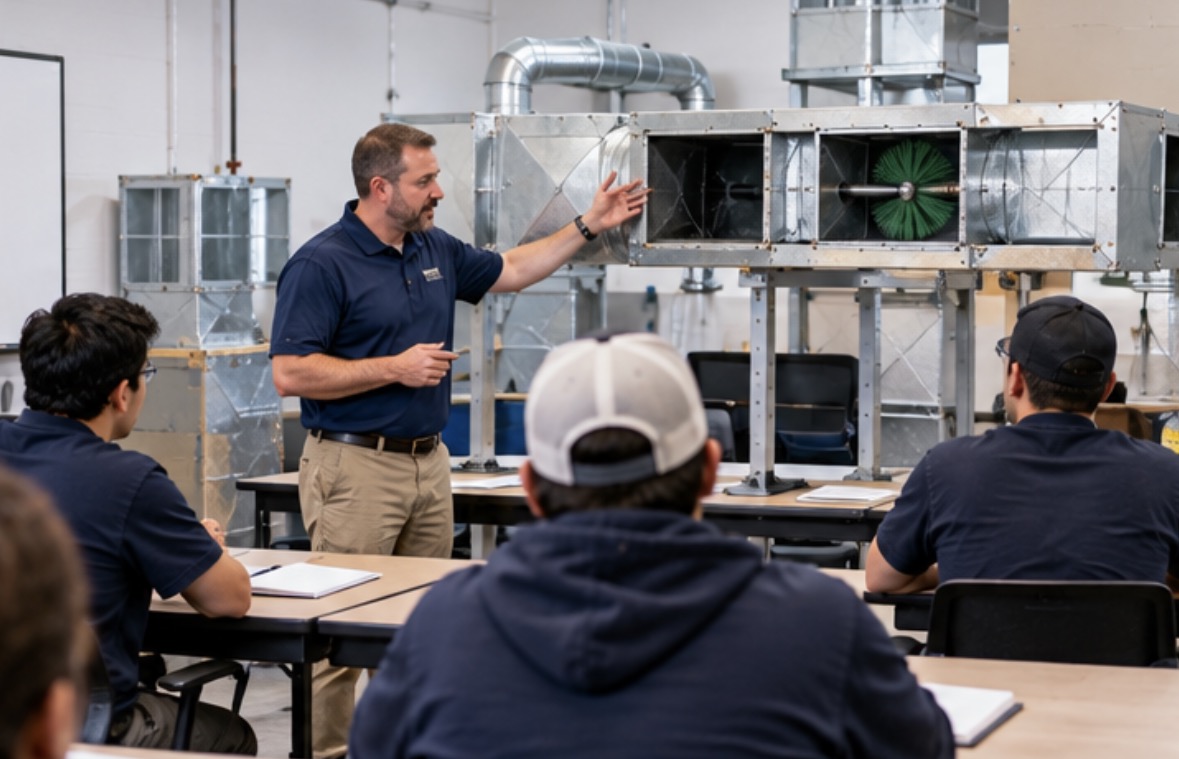
- Expert Instruction: Learning from experienced, certified HVAC professionals provides invaluable real-world insights. Instructors can offer personalized feedback, demonstrate best practices, and guide students through complex procedures in a supportive learning environment.
The Importance of Hands-On Training for Real-World HVAC Success
Hands-on training is the cornerstone of effective HVAC education. By simulating actual job site conditions, students learn by doing. This immersive approach allows them to practice critical tasks such as:
- Installing and connecting ductwork: Understanding airflow and proper sealing techniques.
- Charging refrigerant circuits: Learning the precise methods for handling and charging refrigerants safely and efficiently.
- Diagnosing electrical faults: Developing the ability to identify and repair electrical issues in HVAC systems using multimeters and other diagnostic tools.
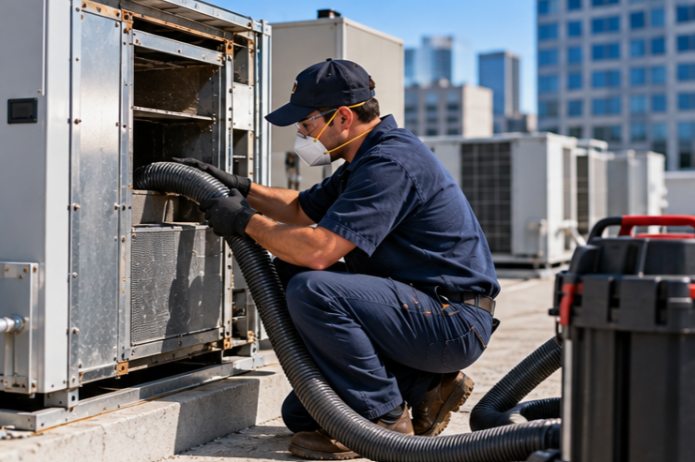
- Performing routine maintenance: Mastering the procedures for cleaning, inspecting, and servicing various HVAC components to ensure optimal performance and longevity.
Thus, at Su’Coy Community Learning Center, we ensure to design our curricula such that they provide an opportunity to students to not only learn about HVAC theoretically but also practically.
Essential Certifications for HVAC Technicians
Earning industry-recognized certifications significantly enhances a technician’s employability and demonstrates a commitment to professional standards. Common certifications that local programs help prepare students for include:
- EPA Section 608 Certification: Mandated by the Environmental Protection Agency, this certification is essential for anyone handling refrigerants, ensuring compliance with environmental regulations.
- NATE (North American Technician Excellence) Certifications: NATE certifications are highly respected in the industry and validate a technician’s knowledge and skills in specific areas of HVAC service and installation.
- HVAC Excellence Certifications: These certifications cover a broad range of competencies, from basic employability skills to advanced technical knowledge, providing a comprehensive assessment of a technician’s readiness for the workforce.
These credentials are often prerequisites for employment and are highly valued by employers across the residential, commercial, and industrial sectors.
The Value of Small Class Sizes and Expert Guidance
Smaller class sizes in an HVAC school offer significant advantages. They allow for more individualized attention from instructors, enabling students to receive personalized feedback and timely correction of mistakes.
This focused environment fosters a deeper understanding of complex concepts and allows instructors to tailor their teaching methods to the specific needs of the students. Furthermore, learning from experienced professionals who bring real-world experience into the classroom provides students with practical insights and mentorship that can accelerate their career development.
Duration of HVAC Certification Training

The time commitment for HVAC certification programs can vary, but many comprehensive programs are designed to be completed efficiently, allowing students to enter the workforce quickly. Typically, these programs can range from a few weeks to several months, depending on the depth of the curriculum and the intensity of the training.
Typical Program Length for HVAC Training
Many foundational HVAC training programs are structured to provide a thorough education within a concentrated timeframe. A common duration for a comprehensive HVAC career training program like the Universal Technician training program at our center is around 10 weeks.
This period typically includes a balanced mix of classroom instruction and hands-on laboratory work, covering essential installation, maintenance, and safety procedures.
Flexible Scheduling Options
To accommodate the diverse needs of students, many training providers offer flexible scheduling options. These can include:
- Morning sessions for those who prefer to train during the day.
- Evening classes are designed for working professionals or individuals with daytime commitments.
- Weekend intensive courses for accelerated learning and faster program completion.
These flexible formats enable students to balance their education with personal and professional responsibilities while still progressing towards their career goals.
Maryland HVAC Licensing Requirements and Training Support

Navigating the licensing process is a critical step for HVAC technicians in Maryland. Understanding the requirements and how training programs can facilitate this process is essential for career progression.
Maryland HVAC Licensing Requirements
In Maryland, HVAC technicians are required to hold state-issued licenses. The Board of Heating, Ventilation, Air Conditioning and Refrigeration Contractors oversees the issuance of licenses, which include categories such as Apprentice, Journeyman, and Master.
Completing an approved HVAC training program is a key step in meeting the educational prerequisites and preparing for the rigorous examinations required for licensure.
Steps to Obtain a Maryland HVAC Journeyman License
The path to becoming a licensed Journeyman HVAC technician in Maryland typically involves several key steps:
- Complete an Approved Training Program: Successfully finish an accredited HVAC training program or a registered apprenticeship.
- Gain Work Experience: Accumulate a specified period of supervised work experience, usually around three years, under a licensed HVAC contractor.
- Pass the Examination: Successfully pass the Maryland Journeyman HVAC licensing examination, which tests knowledge of codes, practices, and technical skills.
- Submit Application and Fees: Complete the official license application and pay the required state fees.
A well-structured training program that emphasizes exam preparation and provides practical experience logs can significantly streamline this process.
Preparing for Maryland HVAC License Exams
Effective HVAC training programs often integrate state licensing exam content directly into their curriculum. This can include a comprehensive review of relevant building codes, practice exams that simulate the actual testing environment, and guidance on interpreting technical documentation.
Instructors can offer targeted feedback on areas where students may struggle, helping to improve their understanding and boost their confidence for the licensing exams.
Experience Requirements for Maryland HVAC Master License
To qualify for a Maryland Master HVAC license, technicians typically need to demonstrate a higher level of experience and expertise. This usually involves accumulating at least five years of experience as a licensed Journeyman HVAC technician.
Additionally, passing the Maryland Master HVAC examination is a mandatory requirement. Holding a valid Journeyman license and relevant certifications, such as EPA Section 608, are prerequisites for sitting for the Master-level exam.
Career Opportunities in the HVAC Field

Completing an HVAC certification program opens doors to a wide array of rewarding career paths. The skills and knowledge acquired are highly transferable and in demand across various sectors, offering stable employment and opportunities for advancement.
Types of HVAC Jobs Available in Maryland
Graduates of HVAC programs can pursue diverse roles within the industry, including:
- Residential Service Technician: Installing, maintaining, and repairing heating and cooling systems in homes.
- Commercial HVAC Installer: Working on larger systems for businesses, offices, and industrial facilities.
- Refrigeration Repair Specialist: Focusing on the maintenance and repair of commercial refrigeration units, such as those found in grocery stores and restaurants.
- Energy Efficiency Auditor: Assessing building systems to identify opportunities for energy savings and recommending improvements.
- HVAC Maintenance Technician: Performing routine checks and preventative maintenance on HVAC equipment to ensure optimal performance and longevity.
These roles are driven by the continuous need for climate control and the increasing focus on energy efficiency in buildings throughout Maryland.
The Role of Job Placement Assistance
Many reputable HVAC training programs offer job placement assistance to help graduates transition smoothly into the workforce. This support can include connecting students with local employers, providing guidance on resume writing and interview preparation, and offering networking opportunities with industry professionals.
At Su’Coy CLC, we don’t just train you, we help launch your career. Many reputable HVAC training programs offer job placement assistance, but we take it a step further. Our team leverages deep industry connections to connect graduates with local employers, guide them through resume writing and interview prep, and open doors to real networking opportunities.
This support makes a huge difference, helping you transition smoothly from the classroom to the field and positioning you where your skills can truly shine.
Average Salaries for HVAC Technicians
| Location/Category | Salary Range | Industry Outlook |
|---|---|---|
| Temple Hills, MD (Entry-Level) | $40,000 – $45,000 annually | Projected 11% growth by 2030 |
| Maryland Average (Mid-Career) | $50,000 – $60,000 annually |
Embarking on an HVAC career in Temple Hills offers a promising path to a stable and well-compensated profession. The demand for skilled technicians is high, and with the right training, you can quickly become a valuable asset in this essential industry. Investing in a quality HVAC certification program is a strategic step towards a fulfilling career with excellent growth potential.
Start Your HVAC Career with Confidence in Temple Hills At Su'Coy Community Learning Center!

A career in HVAC offers long-term job stability, great earning potential, and the satisfaction of working with your hands. But the real difference comes from where and how you train. Su’Coy Community Learning Center in Temple Hills gives you more than just classroom instruction. You’ll gain hands-on experience, one-on-one mentorship, and the support you need to not only pass certifications but truly thrive in the field.
Whether you’re just starting out or looking to switch careers, Su’Coy CLC helps you move from training to employment with confidence and clarity.
Let’s get you on the path to a reliable, high-demand HVAC career!