Skip to content
Why Winter is Your Best Bet for HVAC Training in Maryland: Get Certified, Get Hired
Thinking about an HVAC career? Maryland winters offer a unique advantage for aspiring technicians. With fewer distractions and a more focused learning atmosphere, starting your training at Su’Coy Community Learning Center in Maryland during the colder months means you’ll gain invaluable hands-on experience and be perfectly positioned for the busy hiring season.
This guide dives into why winter is the prime time to start your HVAC journey, covering the benefits, essential certifications, career advantages, what you’ll learn, and how to get started. Explore our courses and get yourself enroll now! Join the leading HVAC training center in Temple Hills, MD.
Ready to Transform Your Future?
Don’t wait for spring! Discover how Su’Coy Community Learning Center can kickstart your HVAC career this winter.
What Makes Winter the Perfect Time to Start Your HVAC Training in Maryland?

When you kick off your HVAC training in winter, you’ll find smaller class sizes, more one-on-one time with instructors, and a direct connection to what you’re learning as heating systems are working overtime. All this adds up to faster skill development and a quicker path to landing a job.
Why Kicking Off in Winter Makes You Smarter and Sharper
Campuses tend to be quieter in the winter, creating an ideal learning environment for diving deep into HVAC topics like electrical wiring, refrigerant handling, and system diagnostics. With fewer distractions, you can focus better, retain more information, and develop strong hands-on expertise that sets you apart.
Here’s why winter training at an HVAC trade school in Maryland gives you a sharper edge:
- Focused environment: Less campus noise means more attention on core concepts.
- Better concentration: Shorter days and calm surroundings enhance productivity.
- Skill retention boost: You remember and apply lessons more effectively.
- Realistic training: Cooler weather allows work on heating systems under real conditions.
Why Winter Is the Smartest Time to Enter Maryland’s HVAC Job Market
As spring and summer roll in, Maryland’s HVAC demand skyrockets. Starting your training in winter means you graduate right when companies begin hiring, giving you a head start on job openings and competitive pay.
Benefits of a Winter Start:
| Advantage | What It Means for You |
|---|---|
| Seasonal Timing | Be job-ready just as service calls increase |
| Early Employment | Secure entry-level roles before competition spikes |
| Quick Payoff | Start earning sooner with in-demand winter credentials |
| Career Momentum | Build field experience ahead of summer workloads |
Seize Your Winter Advantage!
Smaller classes, focused learning, and prime job market timing await. Learn more about our unique winter benefits.
Winter Classes, Maximum Learning: Smaller Groups, Better Skills
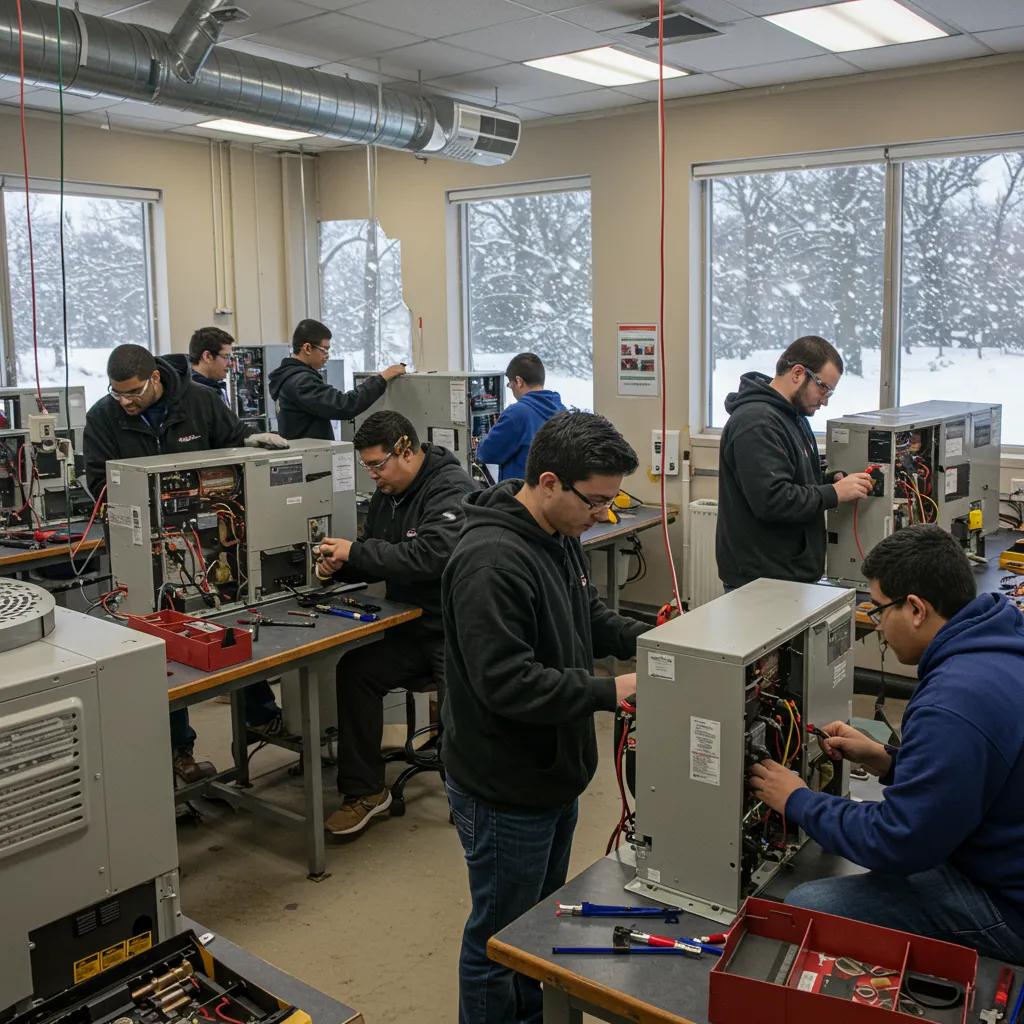
Winter classes often mean smaller groups, allowing more personalized mentorship and lab time. You’ll get direct access to tools and systems like furnaces, air conditioners, and ductwork — perfect for developing practical expertise.
Here’s what sets our HVAC training school in Maryland apart:
- Individual attention: Instructors can guide you one-on-one.
- Hands-on practice: Extra lab hours help perfect installation and maintenance.
- Faster skill growth: You master leak detection and diagnostics more quickly.
- Portfolio building: Real-world projects strengthen your job applications.
What HVAC Certifications and Licenses Do You Absolutely Need in Maryland?
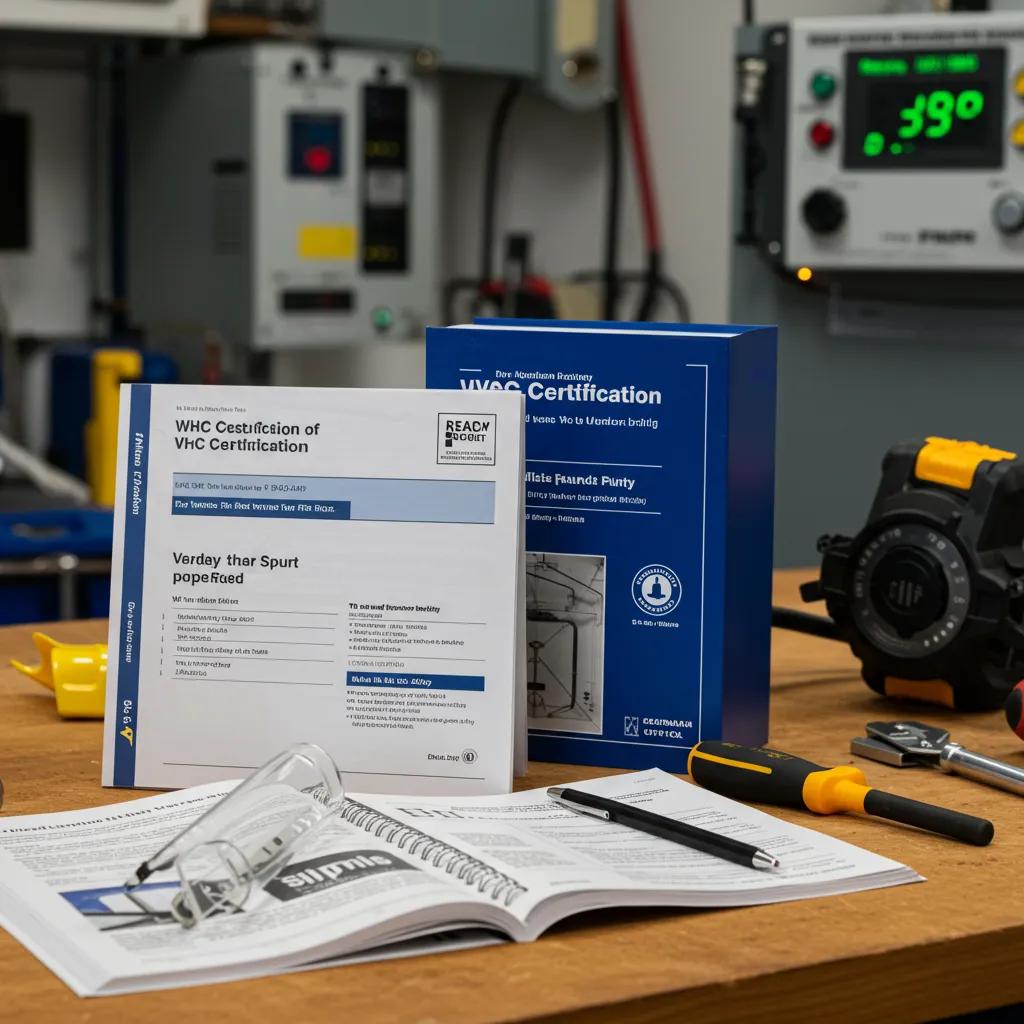
To work legally and safely as an HVAC technician in Maryland, you’ll need specific credentials. Understanding these requirements is key to advancing your career and staying compliant with state laws.
In Maryland, these three certifications are fundamental:
| Certification | What It Covers | Maryland Requirement |
|---|---|---|
| EPA Section 608 Certification | Handling Refrigerants | Required for all refrigerant work |
| NATE Certification | Advanced Technical Skills | Highly valued by employers for expertise |
| Maryland Journeyman License | State HVAC Licensing | Needs training hours and passing an exam |
With this certification framework, graduates from Su’Coy Community Learning Center are well-equipped to meet industry standards and earn credentials that contractors throughout Maryland recognize.
What is EPA Section 608 Certification, and why is it a Must-Have in Maryland?
EPA Section 608 Certification proves you can safely handle, recover, and recycle refrigerants. Maryland law requires this certification for anyone working on cooling systems, ensuring environmental protection and legal adherence.
How Can NATE Certification Give Your HVAC Career a Boost in Maryland?
Earning NATE Certification signals that you have advanced troubleshooting skills and technical expertise. Employers often prefer NATE-certified technicians, which can lead to better starting pay and quicker advancement into leadership roles on complex projects.
What Are the Steps to Getting Your HVAC License as an Apprentice or Journeyman in Maryland?
Apprentices need to complete a set number of classroom hours along with paid on-the-job training over four years, finishing with a journeyman exam. After gaining supervised experience, journeymen can then qualify for a master license, allowing them to take on more diverse projects and operate their own contracting business.
How Does Winter HVAC Training Set You Up for Success in Maryland’s Job Market?

Our winter training program is designed to align your technical education with the natural cycles of the market, giving you a competitive edge and immediate relevance as you enter the field.
Finishing your training in late winter or early spring means you’ll be ready to jump into the job market just as demand for HVAC services starts to climb.
Maryland is projected to see about 10% job growth for HVAC technicians through 2032, with average annual pay around $60,000. The career services team at Su’Coy Community Learning Center is dedicated to connecting graduates with apprenticeships and entry-level jobs, strengthening your professional network, and improving your chances of placement.
What’s the Job Outlook and Expected Salary for HVAC Technicians in Maryland?
Maryland’s HVAC industry is anticipating around 720 job openings each year, fueled by the need for system upgrades and energy-efficient retrofits. Entry-level technicians can expect to earn between $18 and $20 per hour, with opportunities to advance to over $30 per hour in mid-career roles after gaining certifications.
How Does Completing Training in Winter Sync Up With Peak Seasons for HVAC Services?
Timing your HVAC training around the industry’s seasonal demand can give you a major career advantage, and winter is the best place to start. In Maryland, most homeowners and businesses schedule system upgrades, maintenance, and emergency repairs as temperatures begin to rise in spring and summer. By completing your training in the winter months, you’ll graduate just as peak hiring season begins.
That means you can step directly into the workforce when companies are actively seeking skilled technicians to handle increased service calls, installations, and tune-ups. This perfect timing helps you:
- Enter the job market when opportunities are highest
- Secure positions before the competition increases
- Apply your newly learned heating and cooling skills right away
- Build real-world experience as the demand for HVAC services surges
In short, winter training aligns your learning curve with the industry’s busiest months — allowing you to move from classroom to career without delay, fully prepared to meet Maryland’s seasonal HVAC needs.
What Kind of Career Support and Apprenticeship Opportunities Are Available in Maryland?
Su’Coy Community Learning Center goes beyond classroom training; it’s deeply connected to Maryland’s HVAC industry network. The center collaborates with local contractors, trade unions, and service companies to help students transition smoothly from training to employment. Through these partnerships, students can access structured apprenticeship programs that combine paid, on-the-job learning with professional mentorship.
These apprenticeships offer not just technical growth but also gradual wage increases, exposure to real client work, and direct guidance from experienced journeymen and licensed technicians. With Su’Coy’s career placement support, you’ll have assistance in building your résumé, preparing for interviews, and identifying long-term career paths in both residential and commercial HVAC sectors.
By the time you complete your training, you won’t just be certified, you’ll be industry-ready, connected, and well-positioned to advance toward becoming a licensed journeyman or master technician in Maryland.
What Kind of Career Support and Apprenticeship Opportunities Are Available in Maryland?
Su’Coy Community Learning Center works closely with local contractors and trade organizations to help place students in apprenticeships. These partnerships provide valuable mentored experience, gradual wage increases, and a clear path toward becoming a licensed journeyman.
What Will You Learn in Su’Coy’s Winter HVAC Training Program in Maryland?

Our winter curriculum expertly blends essential theory with extensive hands-on practice, ensuring you’re ready for the job and prepared for your certifications.
| What You’ll Study | What You’ll Achieve | How You’ll Learn It |
|---|---|---|
| HVAC Fundamentals | Understand how systems operate | Hands-on exercises with actual components |
| Refrigeration & EPA 608 | Safely recover and reuse refrigerants | Practice exams for the EPA certification |
| Electrical & Controls | Read wiring diagrams and understand control logic | Practical troubleshooting sessions |
| Heating & Cooling Systems | Master installation and preventive maintenance | Simulated field service scenarios |
This structured approach builds your technical confidence and aligns each module with certification goals, preparing you for both the EPA 608 and NATE exams.
What Key HVAC Skills Will You Master in Winter Training?
Winter is the best time to build a solid foundation in both technical and hands-on HVAC skills. At Su’Coy, you’ll work on real systems and learn techniques that apply directly to Maryland’s seasonal climate.
Key skills you’ll develop include:
- Load calculations and airflow optimization for efficient heating and cooling
- Ductwork fabrication and sealing to improve energy performance
- Leak detection and refrigerant handling for system safety
- Troubleshooting furnaces, heat pumps, and air conditioners under real conditions
- Seasonal system balancing to handle everything from humid summers to freezing winters
By the end of your training, you’ll have the practical knowledge employers look for — precision, problem-solving, and confidence in every repair.
How Does Hands-On Training Work in Winter HVAC Courses?
At Su’Coy, winter labs aren’t just about theory — they’re built around real equipment and real challenges. You’ll participate in guided sessions that focus on applying classroom concepts to practical tasks.
Training highlights include:
- Full system rebuilds and detailed performance testing under instructor supervision
- Simulated repair calls to practice diagnostics and customer interaction
- Team-based troubleshooting sessions to mirror real field conditions
- Continuous feedback from instructors to refine your technical accuracy
This setup helps you build real-world competence, not just in handling tools, but also in managing time, communicating with clients, and solving problems efficiently..
What Tools and Equipment Will You Use During Your Winter HVAC Training?
You’ll become proficient with essential tools like manifold gauge sets, micron gauges, refrigeration recovery units, and digital multimeters. Mastering these tools will sharpen your diagnostic skills and improve your service quality from day one on the job.
Ready to Enroll? Here’s How to Join a Winter HVAC Training Program in Maryland

Getting started with our winter HVAC program is a straightforward process designed for quick admission and flexible payment options.
- Submit your online application, including your academic background and any work references.
- Schedule a brief interview so we can confirm your readiness and discuss your career aspirations.
- Complete your enrollment forms and choose your preferred payment or financial aid plan.
By enrolling early in the winter, you secure your spot in our smaller classes, guarantee access to equipment, and get priority scheduling for your hands-on lab sessions.
What Are the Application Deadlines for Winter Enrollment?
We begin accepting applications in October, with rolling admissions through December. A quick skills-assessment interview in early January will finalize your placement for the winter session.
What Are the Costs and Financial Aid Options for Winter HVAC Training?
Tuition is broken down into manageable payments and covers your classroom instruction, lab fees, and preparation for certification exams. We offer financial aid options, including state grants, workforce development vouchers, and low-interest payment plans to ease the upfront cost.
Your HVAC Career Starts This Winter with Su'Coy!

Winter training in Maryland at Su’Coy Community Learning Center offers a focused learning experience, timely preparation for essential certifications like EPA Section 608 and NATE, and a strategic advantage in the bustling spring job market.
With smaller class sizes, personalized instruction, and hands-on practice with real equipment, you’ll gain the practical skills and confidence employers seek. Don’t miss the opportunity to secure your spot, benefit from flexible financial aid options, and launch a rewarding HVAC career.