Skip to content

How to Start a High-Paying HVAC Career in Temple Hills, Maryland?
Thinking about becoming an HVAC technician in Temple Hills? You’re on the right track, and the timing couldn’t be better. With demand for certified techs expected to jump by 10% in Maryland by 2030, the HVAC field offers stability, strong salaries, and long-term growth. But how do you actually get started?
This guide breaks it down for you, covering everything from top HVAC trade schools and essential certifications to salary expectations, financial aid, and job placement. You’ll also learn how Su’Coy Community Learning Center prepares students with hands-on labs, flexible scheduling, and licensing-ready training that opens doors fast.
What Are the Top HVAC Training Programs Available in Temple Hills, Maryland?
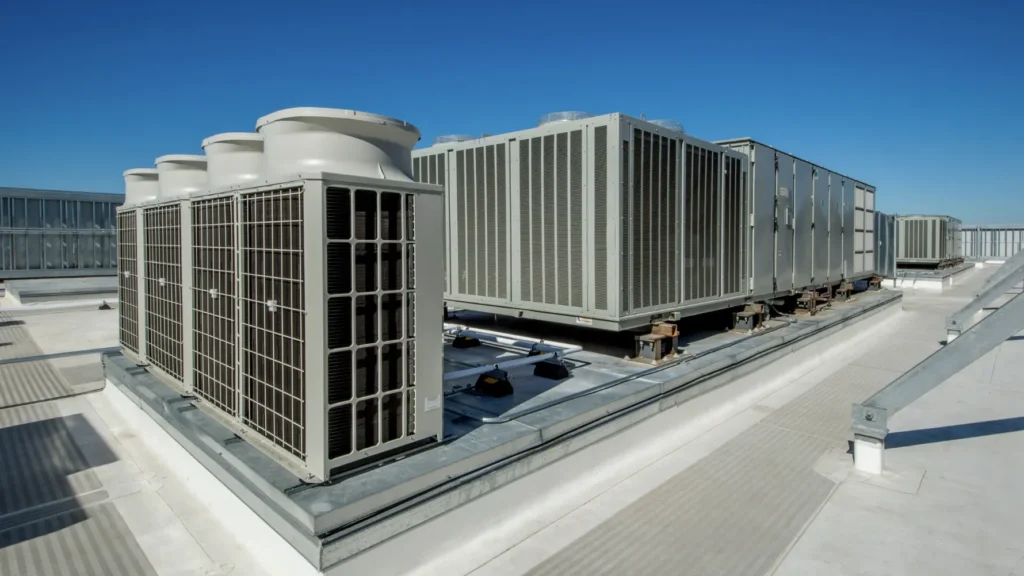
HVAC training programs in Temple Hills are crafted to blend in-depth technical instruction with practical, real-world equipment experience, ensuring graduates are ready to support safe and efficient climate control systems.
Students begin by exploring refrigeration cycles, electrical controls, and ventilation principles in the classroom before diving into hands-on lab sessions. Here’s a look at some of the leading programs available in Temple Hills.
Which HVAC courses does Su'Coy Community Learning Center offer?
Su’Coy Community Learning Center provides a meticulously structured HVAC Universal Technician Training course, specifically designed to prepare students for both the EPA Section 608 and Maryland state licensing exams. This program teaches aspiring technicians the following:
- HVAC Fundamentals: Understand the basic principles of heating and cooling, and ventilation, including thermodynamics and fluid mechanics.
- System Installation: Learn the step-by-step process of installing a variety of HVAC systems in compliance with industry standards.
- Maintenance Techniques: Master routine maintenance procedures that keep systems running smoothly and extend equipment lifespan.
- Advanced Troubleshooting: Diagnose and resolve complex HVAC issues using modern diagnostic tools and repair strategies.
- Electrical Components: Work directly with wiring, controls, and circuits to troubleshoot and repair electrical aspects of HVAC systems.
- Refrigeration Cycle: Deepen your understanding of the refrigeration cycle and gain the skills needed to service and repair refrigeration units.
- Indoor Air Quality: Learn how to improve indoor air quality through proper duct cleaning, ventilation techniques, and filtration strategies.
- Energy Efficiency: Explore cutting-edge methods to increase HVAC energy efficiency and reduce operational costs and environmental impact.
This progressive, tiered approach ensures that students build mastery of fundamental skills before advancing to more complex system inspections and intricate refrigeration repairs, guaranteeing a solid foundation for every graduate.
How long does HVAC training typically take in Temple Hills?
In Temple Hills, certificate programs typically range from 8 to 12 weeks, while diploma or associate degree pathways can extend from 6 to 12 months:
- Short Certificate (8–10 weeks): Ideal for learners aiming for entry-level technician roles.
- Diploma Tracks (4–6 months): These programs include additional hands-on labs focusing on heat pumps and energy auditing techniques.
- Associate Degree Path (9–12 months): This comprehensive option integrates advanced HVACR concepts with general education coursework.
At Su’Coy Community Learning Center, we offer short HVAC training courses that run approximately 10 weeks, perfect for those looking to jumpstart a rewarding career without spending years in school.
These fast-track programs combine classroom instruction with hands-on lab experience, helping you build real skills in installation, repair, diagnostics, and maintenance
What hands-on training and equipment are included in HVAC programs?
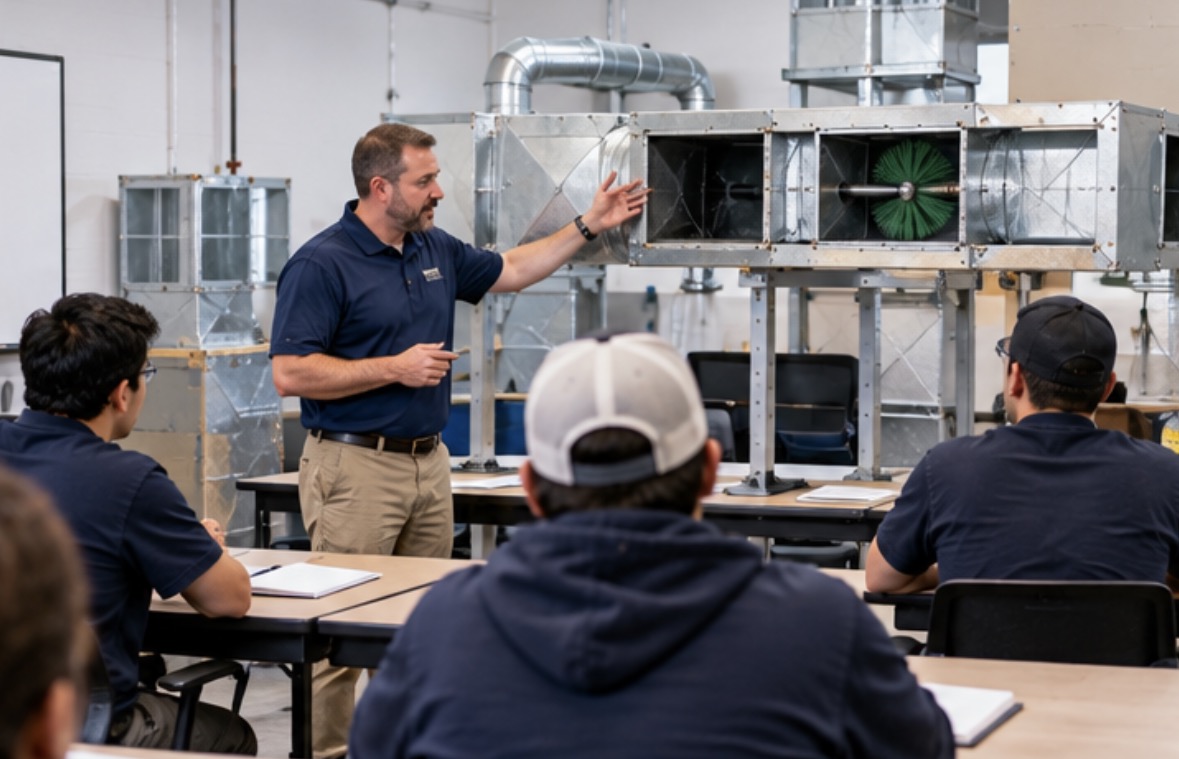
Students gain invaluable experience working with actual installations using industry-standard tools in fully equipped labs. The following table explains the sort of equipment used in a real-life laboratory training setting.
| Equipment | Purpose | Benefit |
|---|---|---|
| Split-system furnaces | To simulate residential heating cycles | Builds confidence in startup and service procedures |
| Air-conditioning units | To demonstrate refrigerant charging techniques | Ensures EPA compliance and optimal efficiency |
| Digital multimeters and gauges | To diagnose electrical and pressure faults | Enhances precision in troubleshooting complex issues |
| Ductwork mockups | To practice measuring and fabrication skills | Improves airflow design and installation capabilities |
This practical lab training reinforces classroom instruction, preparing graduates to confidently handle installations and repairs with professional expertise. Mastering this equipment naturally leads to a solid understanding of licensing requirements.
What Are the Best HVAC Training Programs in Temple Hills, MD?

To ensure public safety and environmental protection, HVAC technicians in Maryland are required to hold specific certifications and licenses that validate their proficiency in safe refrigerant handling, system installation, and adherence to building codes.
What is the EPA Section 608 Certification, and why is it essential?
The EPA Section 608 Certification is a crucial credential that authorizes technicians to handle refrigerants responsibly, requiring them to pass an exam focused on environmental regulations. This certification:
- Establishes federal standards for the safe recovery of refrigerants.
- Guarantees that technicians are trained to prevent ozone depletion.
- Permits the legal purchase of refrigerants and servicing of systems.
Possessing this certification not only supports your eligibility for state licensing but also demonstrates a strong commitment to regulatory best practices to potential employers.
How do Maryland HVAC apprentice, journeyman, and master licenses differ?
Maryland’s tiered licensing system is designed to recognize and reward increasing levels of experience and responsibility:
- Apprentice License: This entry-level license requires enrollment in an approved training program and accumulation of on-the-job hours.
- Journeyman License: To achieve this level, technicians need 3 years of combined education and work experience, plus passing a state examination.
- Master License: This highest level requires 5 years of experience working under a master technician and passing a comprehensive exam, granting the authority to contract independently.
These distinct levels provide clear career progression, allowing technicians to move from supervised roles to independent contracting and business ownership.
What Is the HVAC Career Outlook and Salary Potential in Temple Hills, Maryland?

HVAC professionals in Temple Hills are well-positioned to benefit from a robust local market and competitive compensation that rewards technical expertise in heating, cooling, and energy efficiency services.
What is the projected job growth for HVAC technicians in Maryland?
Maryland anticipates a significant 10% growth in HVAC roles by 2030, driven by several key factors:
- The ongoing need to upgrade aging climate control infrastructure.
- An increasing demand for energy-efficient and environmentally friendly HVAC solutions.
- The expansion of residential and commercial construction projects across the state.
This accelerated growth is projected to create approximately 720 new job openings annually, offering consistent and stable employment opportunities for skilled technicians.
What salary can HVAC graduates expect in Temple Hills and Maryland?
Entry-level technicians in Temple Hills can expect to earn starting salaries around $37,280 annually, with experienced professionals potentially earning up to $96,520:
| Experience Level | Average Annual Salary | Growth Potential |
|---|---|---|
| Entry-level (0–2 yrs) | $37,280 | High demand for apprenticeships and entry roles |
| Mid-career (3–5 yrs) | $50,000 | Opportunities for expanded technical responsibilities |
| Senior (5+ yrs) | $75,000+* | Potential for lead roles and specialized expertise |
Salaries tend to increase significantly with specialized skills, such as advanced refrigeration diagnostics or energy auditing, highlighting the substantial return on investment from advanced training.
What HVAC specializations and career paths are available locally?
Technicians in Temple Hills have a variety of specializations and career path options, including:
- Residential HVAC: Focusing on servicing and installing systems in single-family homes.
- Commercial HVAC: Managing and maintaining complex systems in larger buildings.
- Refrigeration: Specializing in systems for grocery stores, medical facilities, and industrial applications.
- Energy Auditing: Assessing system efficiency and recommending sustainability improvements.
These diverse career avenues allow graduates to align their skills with current market demands and their personal career aspirations.
Why Choose Su'Coy CLC as Your HVAC Trade School in Maryland?
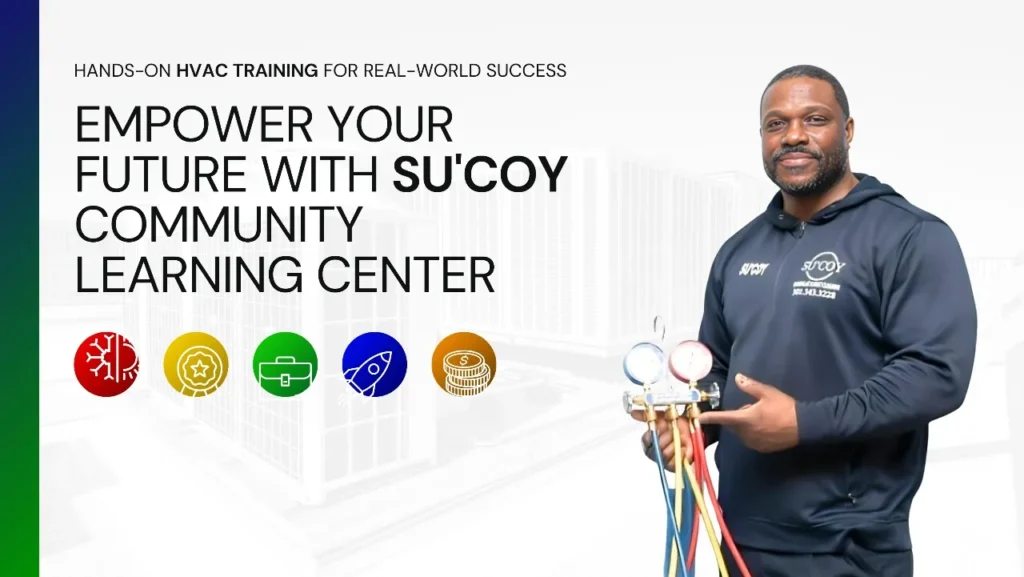
At Su’Coy Community Learning Center, we do more than just teach; we build confident, job-ready HVAC professionals. Here’s what makes our HVAC Universal Technician Training program and other courses stand out across Maryland:
- Dive into Real Training: From day one, you’ll be hands-on. Our immersive, lab-based approach puts you in real-world HVAC scenarios, so you’re not just learning—you’re doing.
- Learn from the Best: Our instructors are seasoned HVAC experts who bring years of industry know-how into the classroom. They break down tough concepts into lessons that stick.
- Master Every Skill: Whether it’s residential installs or commercial diagnostics, our curriculum equips you with versatile skills that cover the full scope of HVAC service and repair.
- Boost Your Career: We don’t stop at graduation. With built-in job placement support and deep industry partnerships, we help you land your first job—and thrive in it.
Hear From Our Graduates:

Summer Bear: “I recently attended the HVAC training program at Su’Coy Community Learning Center, and I must say, it was a truly valuable experience. The instructor, Derrick Conyers, is incredibly knowledgeable and experienced in the field, and his passion for teaching is evident in every class. The 10-week program was comprehensive and well-structured, covering everything from the basics to advanced HVAC concepts.The learning environment at Su’Coy CLC is supportive and friendly, making it easy to ask questions and learn from both the instructor and fellow students. I appreciated the hands-on training opportunities, which helped me gain practical skills and confidence in my abilities. Upon completing the program, I felt well-prepared to enter the workforce and succeed in my new career. I would highly recommend Su’Coy Community Learning Center to anyone interested in pursuing a career in the HVAC industry. Five stars!”
Brandon Flores: “I’ve had an excellent experience with this HVAC school. The instructors are knowledgeable, patient, and bring real-world experience into the classroom. The hands-on training is top-notch, and the curriculum is well-structured to prepare students for both certification exams and actual fieldwork. Whether you’re new to HVAC or looking to advance your skills, this school provides a solid foundation and the support needed to succeed in the industry. Highly recommended!”
Alex Johnson: “As a Student here, my experience has been nothing short of outstanding. You can learn so much just from being around and it feels like a family. It’s an experience I’ll never forget because of how much I’ve learned and seen first hand.”